
Laura Smith
Programme Manager, Ellen MacArthur Foundation
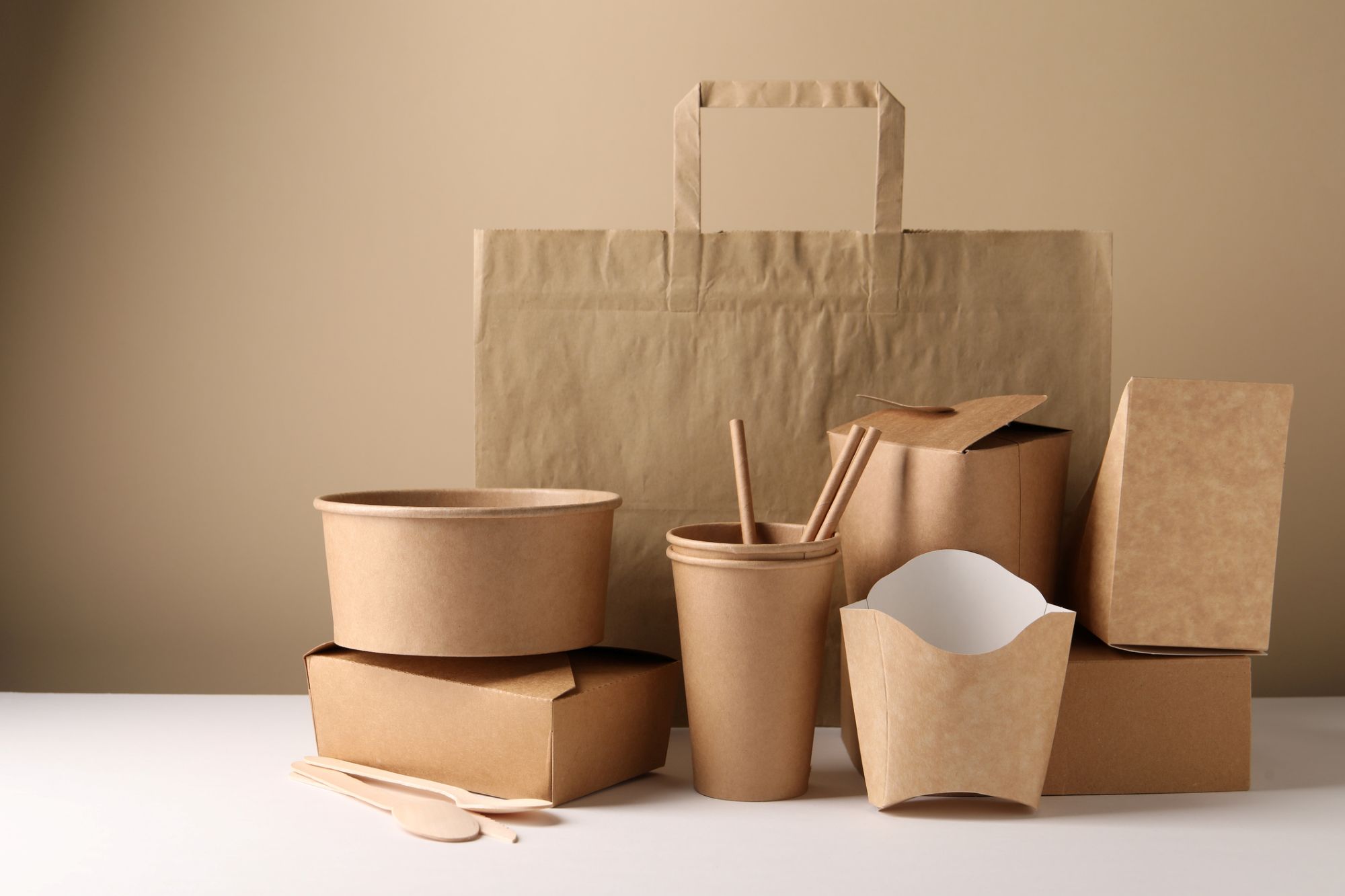
Laura Smith, Programme Manager, Ellen MacArthur Foundation, explains what must happen for paper packaging to become a viable alternative to plastic.
Flexible plastic packaging, the wrappers and sachets found littering streets, beaches and oceans across the globe, represent one of the most significant barriers in the fight against plastic pollution.
It’s estimated that 20 trillion will enter oceans over the next 15 years.1 Tackling this is one of the most pressing challenges facing businesses and governments, particularly in countries with high rates of environmental pollution.
How paper-based packaging can help tackle plastic pollution
Aside from being recyclable, paper-based packaging can be designed to biodegrade in the environment in the worst case — if it leaks.
The Ellen MacArthur Foundation released a new report examining the role of paper as an alternative to flexible plastic packaging, outlining six criteria that define the responsible use of paper.2
Correctly applied, paper can become a powerful tool to eliminate plastic pollution
Guardrails to maximise paper-based packaging’s benefits
For paper packaging to be viable, businesses must ensure that all materials are responsibly sourced and produced, while also being locally recyclable. It must also meet all technical, economic and consumer needs, while avoiding hazardous chemicals and persistent plastic pollution by being designed to biodegrade in the environment.
The use of paper-based alternatives must also fit within a broader and socially inclusive circular economy strategy: it should always be paired with efforts to help scale effective collection and recycling systems, and efforts to move away from small-format flexible packaging altogether towards reuse and refill should be prioritised wherever feasible.
Correctly applied, paper can become a powerful tool to eliminate plastic pollution. In the worst-case scenario, it may further aggravate forest degradation and water scarcity and still cause harmful and persistent pollution — ultimately replacing one problem with another.
The endorsement of over 45 businesses, NGOs and academics worldwide shows the momentum and alignment behind this vision of responsibly designed paper-based packaging. 2 Now, significant innovation and scale are needed to take paper packaging from concept to market.
For further information, please visit: www.ellenmacarthurfoundation.org.
[1] Ellen MacArthur Foundation. (2025). Tackling flexible plastic packaging waste. https://tinyurl.com/y3vkena7.
[2] Ellen MacArthur Foundation. (2026). Paper as one part of the solution to flexible packaging pollution. https://tinyurl.com/4cnewn3x.
