 Business & Industry
Sustainable Packaging 2026
-
How to get prepared for the PPWR
The EU’s incoming Packaging and Packaging Waste Regulation (PPWR) sets legal requirements for Member States and companies operating in their markets to assume responsibility for their packaging. What does that mean in practice? By 1 January 2030, all packaging must be designed for recycling – that is, proven to be compatible with established collection, sorting...
-
Why it’s crucial to strengthen the UK’s recycling infrastructure
The UK is advancing on packaging policy, but without stronger recycling infrastructure, progress risks stalling where it matters most — turning waste into valuable resources. Extended Producer Responsibility, Simpler Recycling and a future Deposit Return System are all designed to increase collection and accountability. Policy momentum grows These measures are essential, but they are heavily...
-
When paper packaging is a viable alternative to plastic
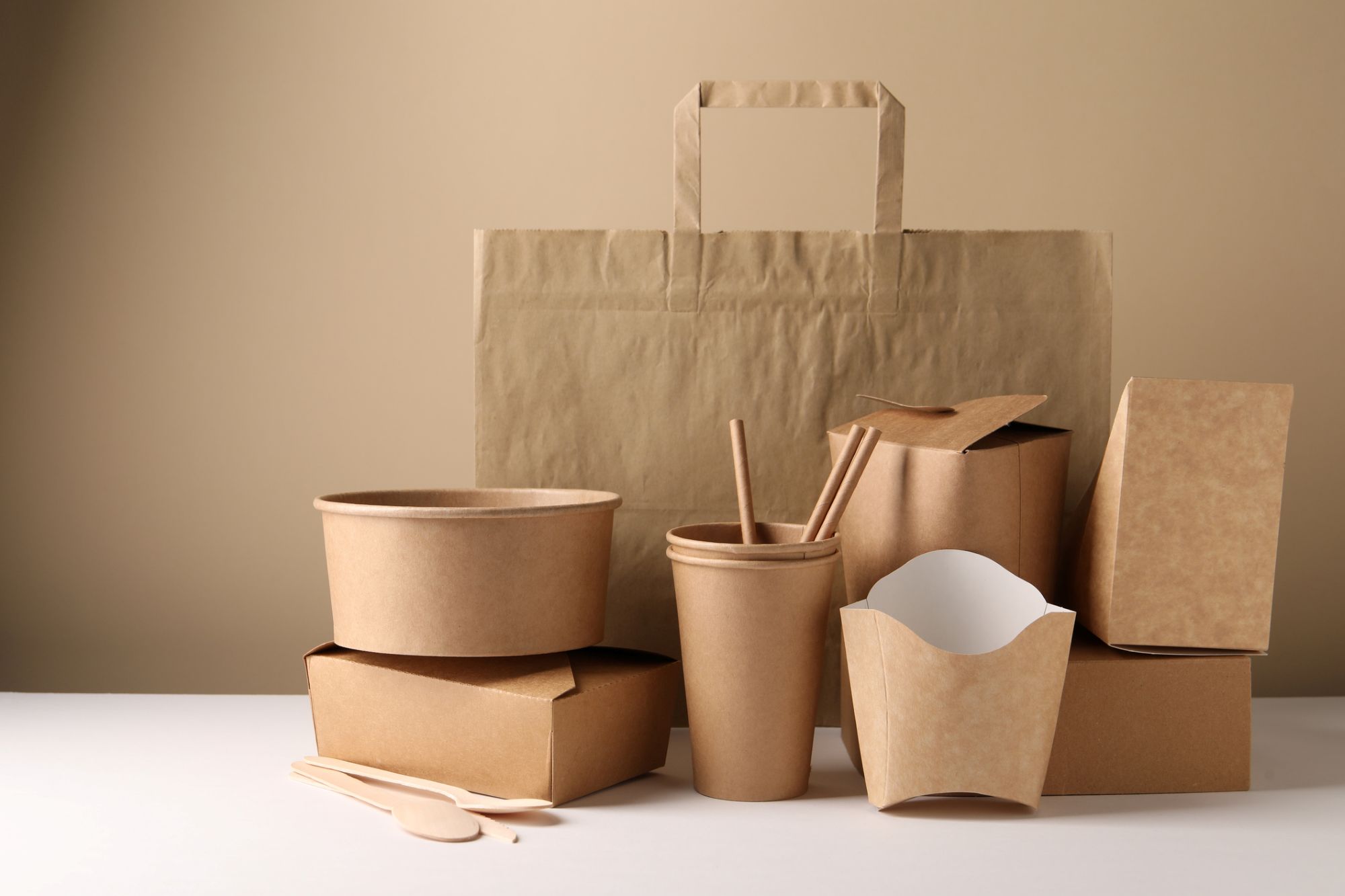
Laura Smith, Programme Manager, Ellen MacArthur Foundation, explains what must happen for paper packaging to become a viable alternative to plastic. Flexible plastic packaging, the wrappers and sachets found littering streets, beaches and oceans across the globe, represent one of the most significant barriers in the fight against plastic pollution. It’s estimated that 20 trillion...
-

Packaging’s future is collective
As packaging regulations evolve and sustainability expectations increase, businesses are discovering that collaboration across the supply chain is essential to delivering meaningful and lasting change. The packaging industry is entering a significant period of transformation. Regulatory reforms, including Extended Producer Responsibility (EPR) and Simpler Recycling, are changing how businesses approach packaging design, material selection and...
-
Building sustainable packaging systems
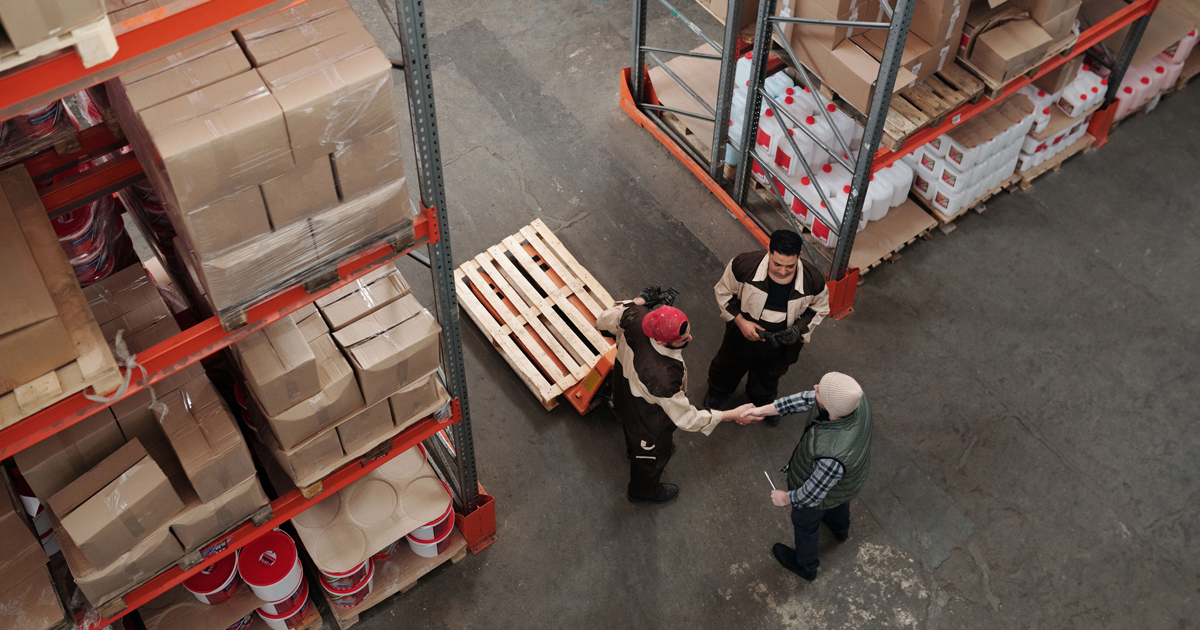
The transition to pEPR is accelerating change across the packaging value chain, placing greater emphasis on partnership, optimisation and measurable environmental outcomes. The UK’s packaging industry is entering a period of significant transformation. New environmental regulations, evolving consumer expectations and the transition towards the pEPR framework are changing how businesses approach packaging decisions. Sustainability meets...
-

Packaging sustainability moves into action
Sustainability is now embedded across packaging design, regulation and supply chains. London Packaging Week 2026 explores how the industry is moving from ambition to implementation. Sustainability is no longer a standalone objective in packaging. It’s now embedded across design, regulation, sourcing and commercial decision-making. At London Packaging Week 2026, that shift is brought into focus...
-

s Sponsored
How businesses can keep ahead of changing packaging rules
New, complex packaging rules are tightening in the UK and globally. Access to detailed packaging data is essential for compliance, recyclability and cost savings. Recent changes to packaging regulations — in the UK and globally — have been seismic. And more are on the way. Still, this shake-up has been broadly welcomed by businesses, says...
-

s Sponsored
Why we need to design packaging that everyone can use
In the drive to create more sustainable packaging, inclusivity can be forgotten. Yet packaging can be made easy to use — and still be better for the environment. Charlotte Price, Divisional Head of Sustainability, Bunzl, has a clear and concise definition of the term ‘accessible packaging.’ “Essentially, it’s packaging that’s designed with inclusion in mind...
-

Packaging at a crossroads: Why moving beyond fossil dependence matters
Packaging underpins modern life, protecting goods, extending shelf life and enabling global trade. Yet it remains dependent on fossil-based materials — an increasingly unsustainable model. The issue is structural. Fossil-based packaging follows a linear path: finite resources are extracted, used briefly, then discarded. In the UK, around 12 million tonnes of packaging waste are generated...