
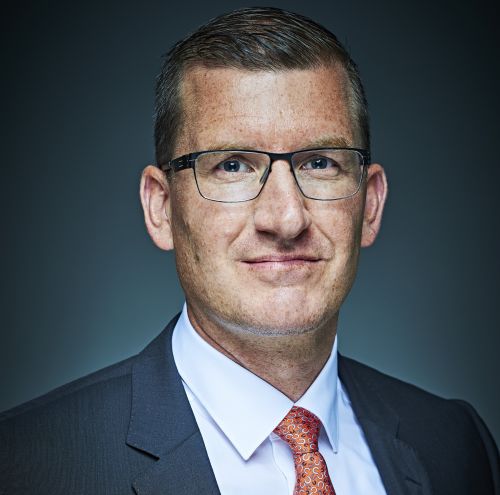
Dr. Dennis Göge
Chief Executive and Vice President, Europe, Lockheed Martin
Post-2022, genuine long-term partnerships between the US defence sector and European allies are needed, rather than the short-term supplier-customer relationships.
Since 2022, the relationship between the US defence industry and its European allies has evolved significantly. Europe’s threat perception has radically changed since the Russian invasion of Ukraine, accelerating a mindset shift towards deterrence, resilience, readiness and industrial capacity. NATO allies are increasing defence spending, replenishing stockpiles and placing greater emphasis on ensuring that critical capabilities can be produced, sustained and upgraded at scale.
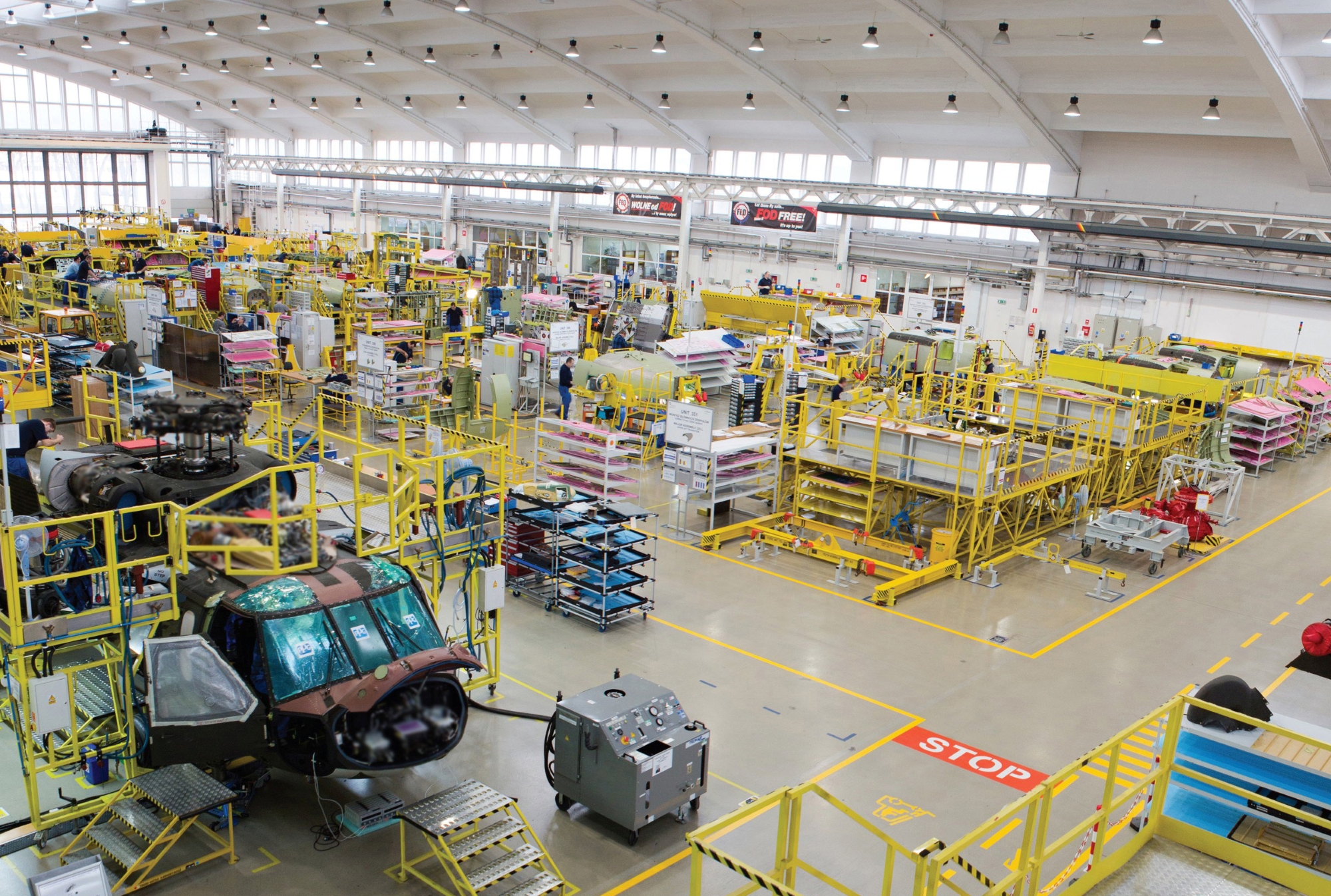
“European governments increasingly expect industrial participation, sovereign capability, local manufacturing, sustainment capacity and technology collaboration as integral elements of any long-term defence relationship,” explains Dr. Dennis Göge, chief executive and vice president, Europe, at US defence and aerospace manufacturer Lockheed Martin. “Lockheed Martin recognises this and was one of the first companies to meet today’s expectation that defence suppliers should be present in the markets they sell to — whether partnering with domestic defence companies as we do in countries such as Germany, Italy, Norway or Finland, or running our own manufacturing facilities as we do in the UK and Poland, investing in facilities and employing European workforces.”
Expanding partnerships with European industry
Dr. Göge notes that the company will continue to invest in genuine strategic partnerships with European industry because it believes these capabilities are essential to NATO’s long-term readiness and resilience. He points out that success will increasingly depend on factors such as co-development, technology collaboration and Alliance-wide interoperability.
European governments increasingly expect industrial participation, sovereign capability,
local manufacturing, sustainment capacity and technology collaboration as integral
elements of any long-term defence relationship
“Building together for today and the future will enable European and NATO allies to operate together effectively and with common purpose,” says Dr. Göge. “This is why the F-35 program is so successful. This is currently the most advanced and connected fighter aircraft in the world, forming the cornerstone of air superiority and interoperability within NATO. It not only provides a highly capable platform to multiple allies, but it also involves many of those nation’s industries in the manufacture of this platform – often at the component and subsystem level — across the supply chain — where critical technologies, engineering expertise and innovation are developed. That is where industrial capacity is built, and where long-term capability and resilience are sustained in individual nations and across alliances.”
