 Business & Industry
Future of Defence 2026
-
s Sponsored
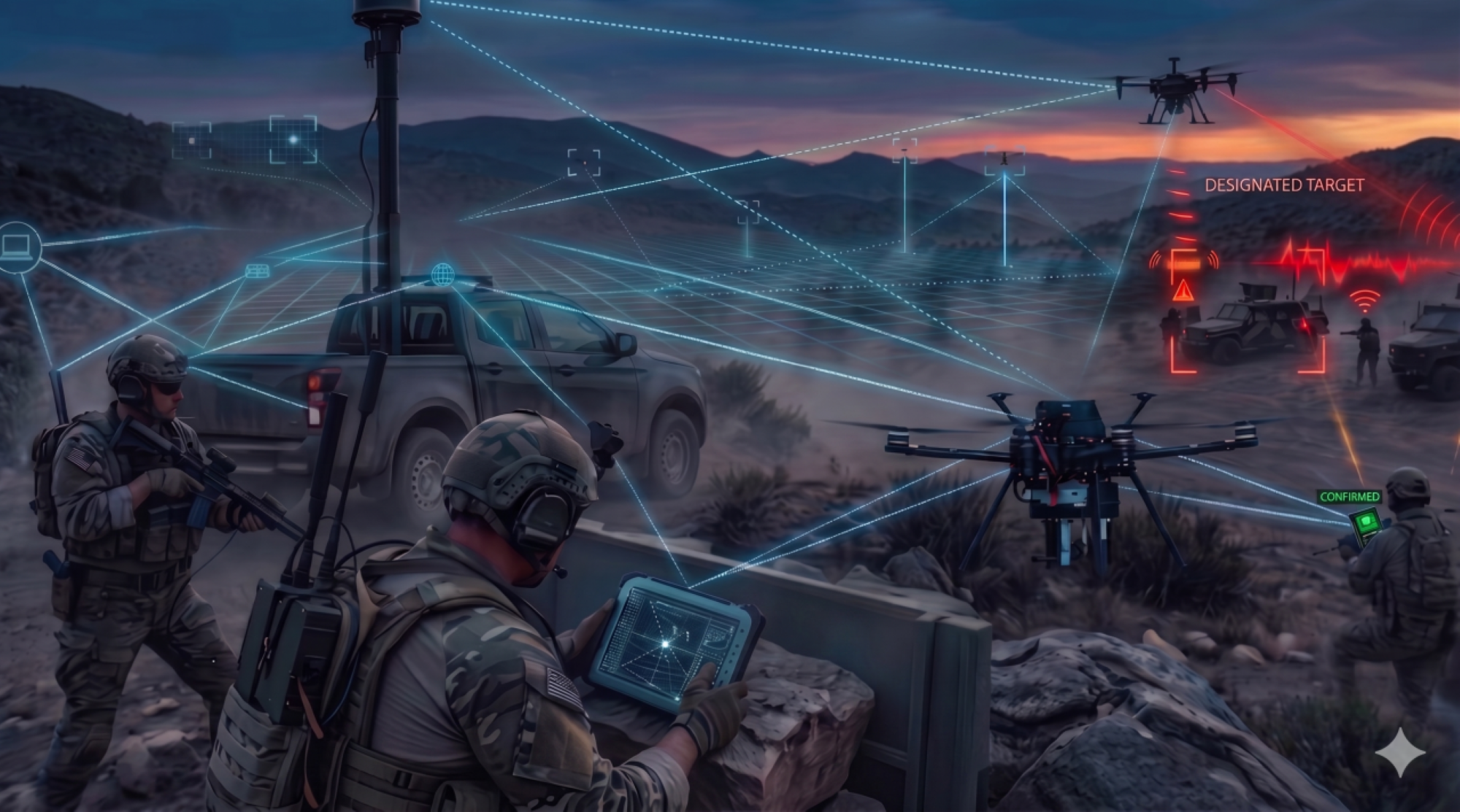
Strengthening British defence with tactical sensors that have a strategic impact
As the battlefield is now flooded with electronic devices and autonomous platforms, superiority no longer means better armed troops deployed by high-end platforms that cost billions and take decades to procure. In the old order, electronic warfare (EW) was carried out by specialist units and exquisite platforms. In the new order, Russian GPS jamming, spoofing...
-

Farnborough International Airshow puts defence centre stage as global industry gathers in the UK
The Farnborough International Airshow (FIA) remains one of the world’s most influential gatherings for the aerospace, aviation and defence industries, but its defence focus is increasingly central. FIA has evolved far beyond a flying display into a strategic forum where governments, military leaders, contractors, SMEs and innovators meet to shape capability priorities, strengthen alliances and...
-
s Sponsored
Strengthening the defence industrial base — and allied readiness
The most resilient defence supply chain model is a trusted, diversified and interoperable industrial network that combines global scale with sovereign national capability. In today’s defence sector, supply chain security is a core element of national security. For Dr. Dennis Göge, chief executive and vice president, Europe, Lockheed Martin, the best way to optimise supply...
-

Partnering for pace: Delivering defence capability at speed
The decisive factor in defence innovation is no longer just access to advanced technology, but the pace at which it can be developed, integrated and fielded. Delivery of capability at the pace of relevance has always underpinned military advantage, but rapid technological change has heightened this challenge, placing a premium on swiftly translating concepts into...
-

Unlock private investment and grow our economy with a clear pathway to 3.5% of GDP on defence
Spending more on defence is both a national security imperative and an economic opportunity, but there’s still a lack of clarity on how to achieve this. At last year’s NATO Summit in The Hague, allies agreed to raise core defence spending to 3.5% of GDP by 2035, alongside an additional 1.5% for national resilience. This...
-

Upskilling and reskilling in aerospace
Few sectors can claim a legacy as rich as the UK’s aerospace industry. For more than a century, it has shaped how we travel and communicate, taken people to the edge of space and supported thousands of well-paid, highly skilled jobs. Yet, just as the industry prepares for its most ambitious engineering feat to date,...
-

Armed Forces Week: investing in innovation
During Armed Forces Week, it’s important to pay homage to the sailors, soldiers and aviators who sacrifice so much to keep the UK safe at home and strong abroad. But in this more dangerous world, it’s clear the staggering pace of technological development is redefining warfare. Drones in Ukraine become outdated every few weeks as...
-

s Sponsored
The biggest defence risk is no longer lack of technology — it’s lack of integration
The UK’s defence transformation isn’t only about new technology. It’s about connecting people, platforms, data and decisions into systems that can adapt at pace. As defence rapidly adopts AI, autonomy and digital technologies, success increasingly depends on how complex systems work together, says Lloyd Pryce, Managing Director, Optima Systems Consultancy. How is the nature of...
-
s Sponsored
Why the defence sector can’t adopt a ‘one-size-fits-all’ approach to AI
AI can unlock huge opportunities for defence. However, this is a large, disparate sector, so its safe, careful and targeted deployment is crucial. Every industry must deploy AI safely, securely and in an operationally trustworthy manner. But for defence companies, this approach is critical. The repercussions of failure could be catastrophic for military personnel and...
-
s Sponsored
Why the future of defence is drone tech and distributed edge computing
In Ukraine, drone technology promises to become more sophisticated and interconnected, increasing the need for faster, more resilient computing power at the tactical edge. On the frontlines in Ukraine, a highly monitored, densely drone-dominated area has changed the nature of warfare. Survival within this lethal and inhospitable landscape — estimated to be between 30 kilometres...