



Dr. Dennis Göge
Chief Executive and Vice President, Europe, Lockheed Martin
The most resilient defence supply chain model is a trusted, diversified and interoperable industrial network that combines global scale with sovereign national capability.
In today’s defence sector, supply chain security is a core element of national security. For Dr. Dennis Göge, chief executive and vice president, Europe, Lockheed Martin, the best way to optimise supply chain resilience is with a trusted, diversified and interoperable industrial network — one that combines global scale with sovereign national capability.
“A globally connected supply chain provides scale, innovation and surge capacity, while local industrial participation strengthens readiness, supports national economies and gives governments confidence that critical capabilities can be sustained when they are needed most,” he says.
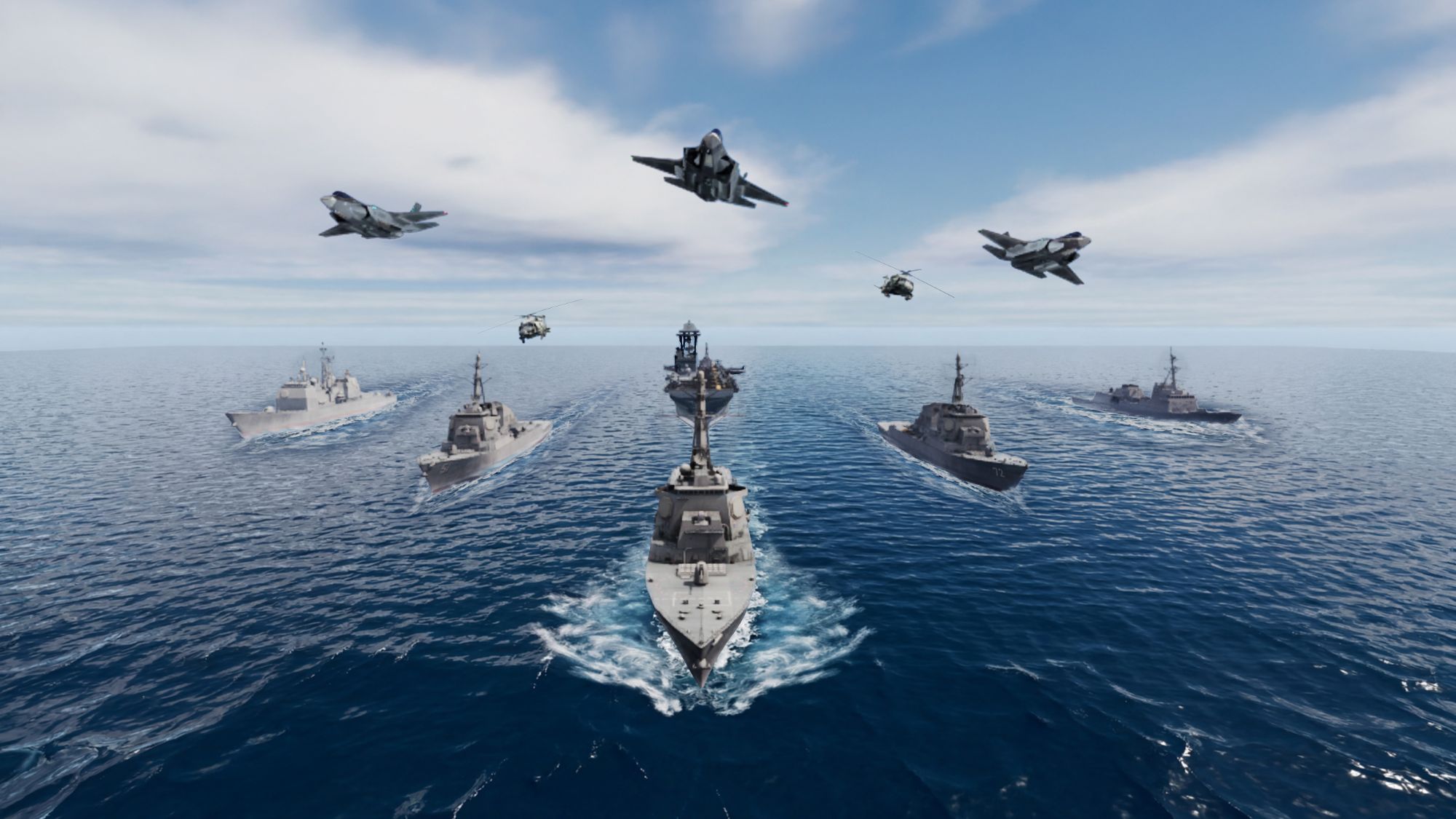
Lockheed Martin Chairman and CEO Jim Taiclet has repeatedly argued that NATO’s advantage comes from allies being able to “work as one force,” enabled by common standards, shared industrial capacity across North America and Europe — and interoperable systems. Certainly, interoperability of military platforms is an important issue currently, as these facilitate the sharing of information and data among allies. One example is the company’s F-35 aircraft, which is able to swiftly sift and share data from systems such as Military Satellite Communications to forces on land and sea operating compatible interoperable platforms such as Aegis-enabled frigates or effectors such as THAAD and PAC-3 missile systems.
Autonomy and interdependence are not mutually exclusive
However, recently, with political momentum behind European strategic autonomy growing, governments have been building more domestic supply chains. Yet autonomy doesn’t mean jettisoning transatlantic interdependence, says Dr.Göge. On the contrary: the Alliance is enhanced when greater European investment in defence production, sustainment and innovation is connected to a broader transatlantic ecosystem.
A globally connected supply chain provides scale, innovation and surge
capacity, while local industrial participation strengthens readiness
“The real challenge is not autonomy versus interdependence but ensuring that Europe’s growing defence-industrial capacity reinforces allied readiness,” he notes. “If European investment produces more manufacturing capacity, stronger supply chains, faster sustainment and greater operational resilience while maintaining common standards and interoperability, it strengthens both European sovereignty and NATO’s collective deterrence. The tension only emerges if industrial policies create fragmentation, duplication or barriers that reduce the ability of allied forces and industries to operate together.”
