

Richard Gaetano
CEO, Island Pacific
In today’s complex omnichannel world, retailers are using integrated merchandise management systems to understand their inventory, track stock and spot buying trends.
“I believe that any retailer of size needs a merchandise management system (MMS),” says Richard Gaetano, CEO of retail software solutions company, Island Pacific.
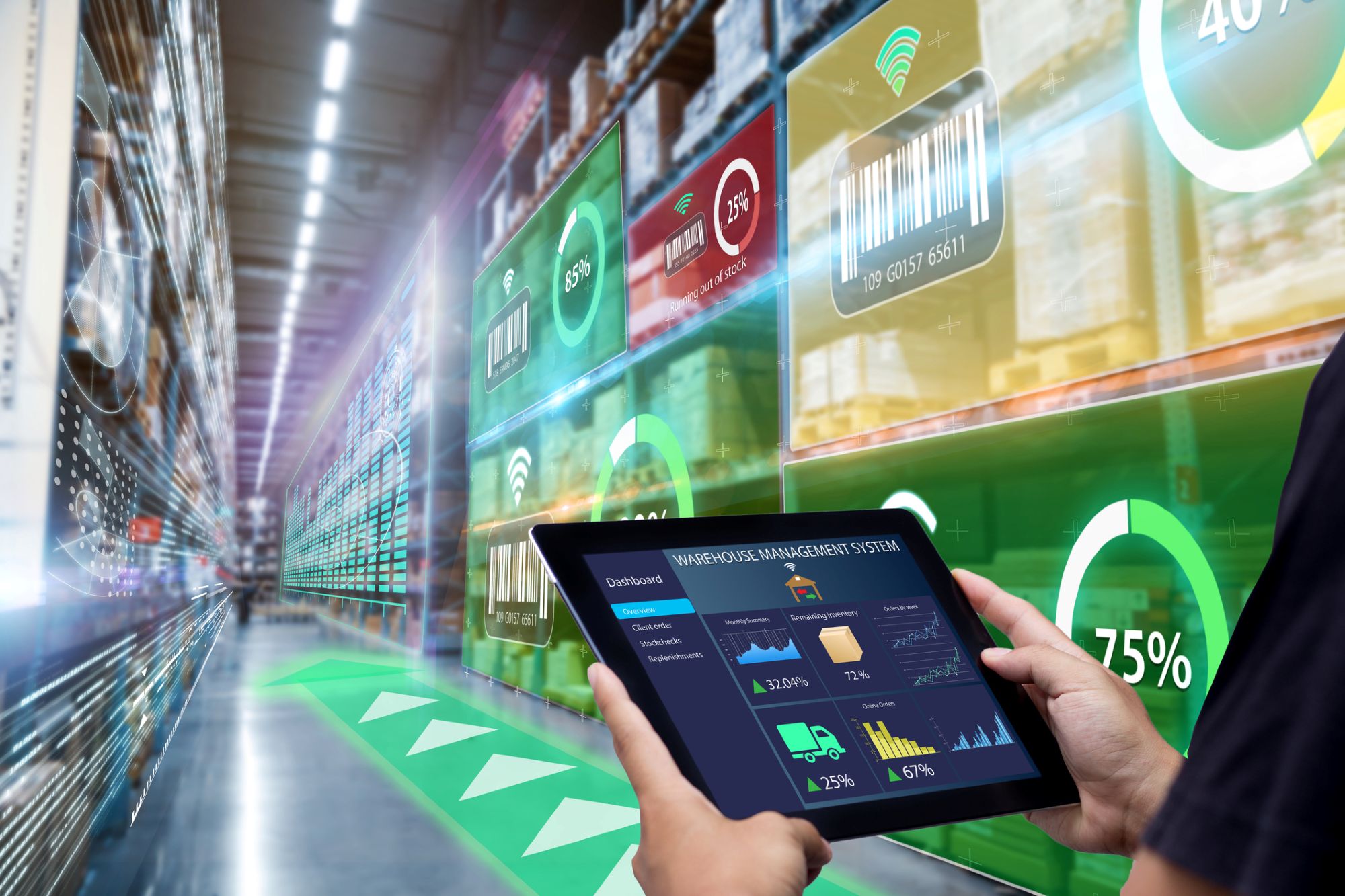
Properly understanding your inventory and your customers’ buying habits can be the difference between success and failure. A sophisticated MMS gives a retailer complete inventory visibility.
By syncing with warehouse and finance data, it allows them to maintain accurate stock levels, assess customer demand, manage pricing activity, pick up on buying trends and track stock movement.
“We have an integrated solution that tracks sales data at a granular level,” says Gaetano. “It can tell you how many units were sold on what day, time and location. Identifying those types of trends can help understand staffing levels and optimise store operations.”
For example, take size differentiation data. “If you sell footwear, you can track which shoe sizes sell better in different locations based on the people who shop in a particular area. Having that information can affect what inventory you buy and where it goes, to make sure that you don’t have out-of-stocks.”
A sophisticated MMS gives a retailer complete inventory visibility
AI-enabled technology is changing the retail game
Back in 2010, the MMS solution was powered by machine learning analytics. Now it’s AI-enabled, which is changing the retail game.
“AI can be used for very basic tasks, like checking which items of stock you’re low on,” notes Gaetano. “It can carry out analysis at a much quicker pace, but it can also place the order for you — although it still has to seek your approval.”
In the past, machine learning could help you understand what was happening to your business. Now, an AI-powered MMS can help you understand why it’s happening, thus improving decision-making. “With machine learning, you could put data in and crunch some numbers out,” explains Gaetano. “It gave you the results but no context. AI is going to help deliver that context — and that is so powerful.”
