

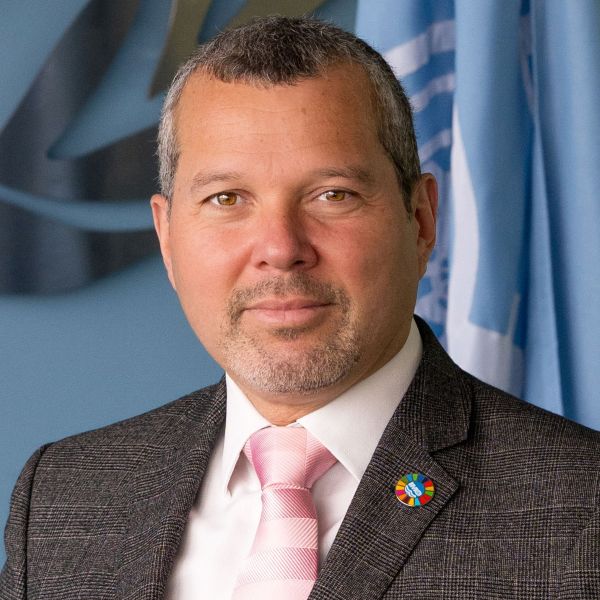
Mr Arsenio Dominguez
Secretary General of the IMO
Geopolitical tensions highlight the vital role of shipping and seafarers.
Shipping has always shown remarkable resilience in the face of global crises. Throughout every major challenge, ships and the people who operate them kept the world moving.
During the COVID‑19 pandemic, when much of the world came to a standstill, seafarers continued working tirelessly to ensure that essential goods reached every corner of the planet. During tensions in the Red Sea and the Black Sea, the industry adapted under immense pressure to keep supply chains functioning.
Today, in the Strait of Hormuz, that resilience is being tested in unprecedented ways.
Around 20,000 seafarers on hundreds of vessels remain stranded in the Persian Gulf, exposed to significant risks and enduring immense psychological strain. Beyond the human toll, the disruption to international shipping carries far‑reaching consequences for global trade, energy markets and food security.
Protecting the principles of freedom of navigation and seafarers
The world is fast realising an overlooked truth – shipping is indispensable. Our daily lives depend on the principles of freedom of navigation and on safe, secure seas.
For more than seven decades, the International Maritime Organization (IMO) has brought 176 Member States together to uphold a robust regulatory framework that protects these principles and those who work at sea.
Throughout every major challenge, ships and the people who operate them kept the world moving
Maintaining safety standards and adapting to new threats
Since the 1980s, IMO has consistently worked to strengthen maritime safety standards and adapt them to emerging threats. The current geopolitical landscape demonstrates just how crucial these multilateral efforts are to maintaining maritime security and global stability. Seafarers must never be used as collateral victims of conflict.
At an extraordinary session of the IMO Council in March 2026, Member States reaffirmed four core principles: respect for freedom of navigation; the paramount importance of seafarer safety; the recognition that seafarers must never be used as pawns in geopolitical tensions; and the essential role of dialogue and diplomacy in restoring stability. As we confront this crisis, I urge the global community to recognise the indispensable role of shipping and the human beings who make it possible. We must not take them for granted.
