Business & Industry

Estelle Herszenhorn
Director of Food System Transformation, WRAP
What will it take to reach net zero? Fixing something we can’t live without – food.
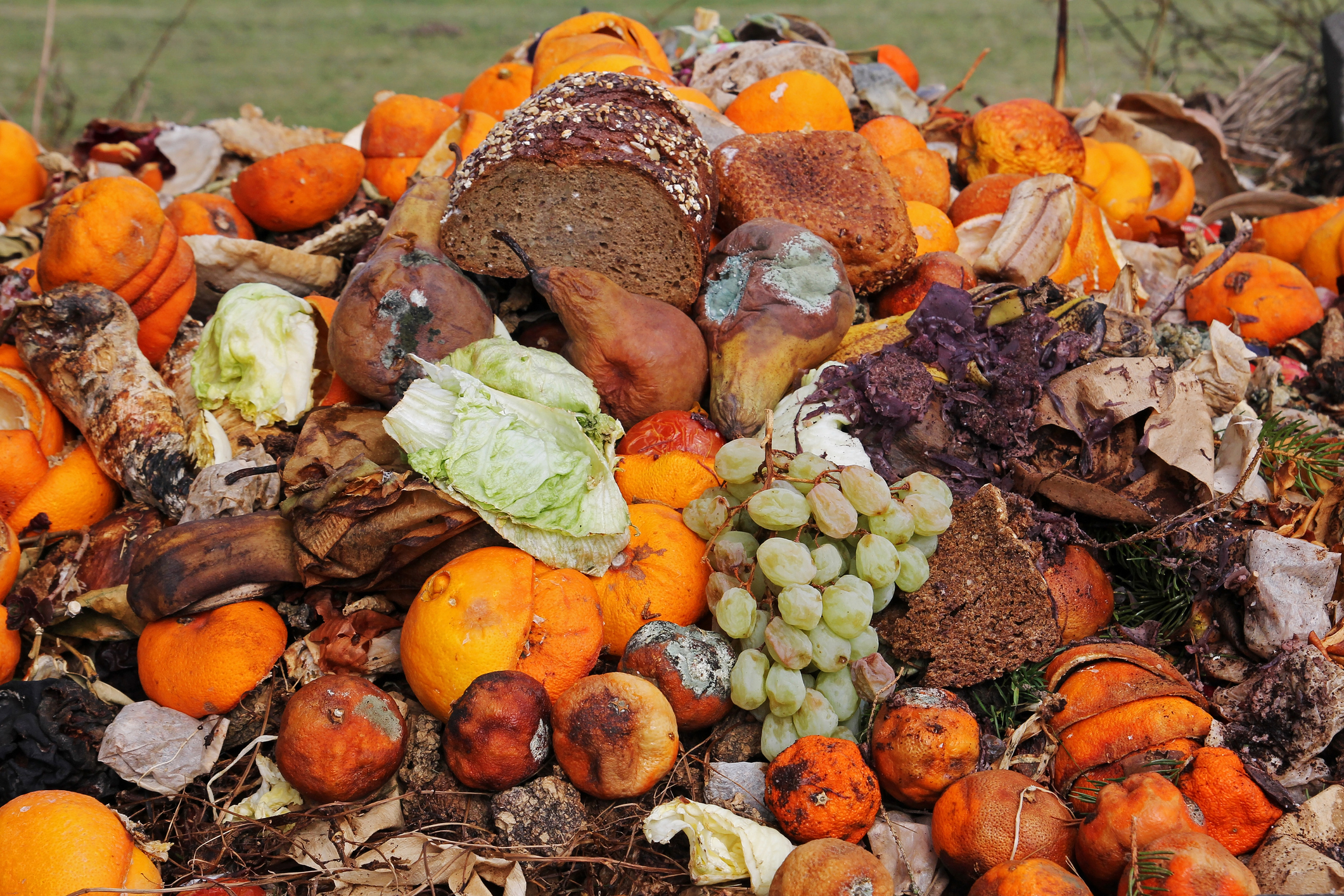
Food production and consumption make up around 30% of global CO2 emissions.1 Food waste produces more GHG emissions than all international commercial flights, yet it can go unnoticed. People talk passionately about flying less, so why isn’t food waste in the spotlight?
Food waste may be key to net zero
To meet net zero commitments, the UK must address food waste as an opportunity hiding in plain sight. Tackling household food waste is a simple way to help people save money while strengthening climate resilience and food security. Food waste costs the average household of four £1000 per year – prevention is a win for people and the planet.2
As one of the heaviest climate polluters, the food sector must change – something environmental action NGO WRAP has been driving through the UK Food & Drink Pact and Food Waste Reduction Roadmap. WRAP estimates emissions reductions of up to 6.45 MtCO2e in 2030 by meeting the Pact’s targets.3
Why we need to act together — and fast
Since 2015, GHG emissions associated with UK food consumption have fallen by 14%.4 Progress is happening, but too slowly. Rapid acceleration is needed to stay on track to achieve the UK’s 2050 net zero goals. One year on from the launch of A Strategic Net Zero Transition Plan for the UK Food System, published in partnership with IGD and Ernst & Young, new evidence shows change is slow, uneven and off-track.
WRAP’s new report, UK Food System: The Journey Towards Net Zero,5 highlights the following data between 2015 and 2023:
- A 14% total reduction in emissions associated with UK food consumption, leaving a 36% gap to meet 2030 targets
- Over 75% of emissions come from food production, yet agricultural emissions have only fallen by 8%
- A 52% reduction in emissions from household food storage and preparation, but household food waste still generates 9.5% of food-related emissions, with six million tonnes of food being wasted every year
- A 49% reduction in emissions from food retail energy, but a 13% increase in emissions from food packaging
Our food system is subject to elements such as weight-loss jabs, AI and the threat of biodiversity collapse. Rather than distract from net zero, these are reasons to act.
We must cut food waste, fix packaging, transform agriculture and make evidence-based decisions, moving holistically. Collective action is working, but it needs to be magnified. We have everything to gain and nothing to waste.
References
1. WRAP. Reducing greenhouse gas emissions. https://tinyurl.com/ymdpr9mc.
2. WRAP. (2026). By Sunday 15 March, an average UK household of four will have already wasted £200 of edible food this year. https://tinyurl.com/5cb36tk9.
3. WRAP. (2024). Summary report: A net zero transition plan for the UK food system. https://tinyurl.com/ynad2ef9.
4. WRAP. (2026). Tracking UK food system greenhouse gas emissions: 2015-2023. https://tinyurl.com/yc4jr3d6.
5. WRAP. (2026). The journey towards net zero: Progress report for the UK food system. https://tinyurl.com/3s3nnt67.