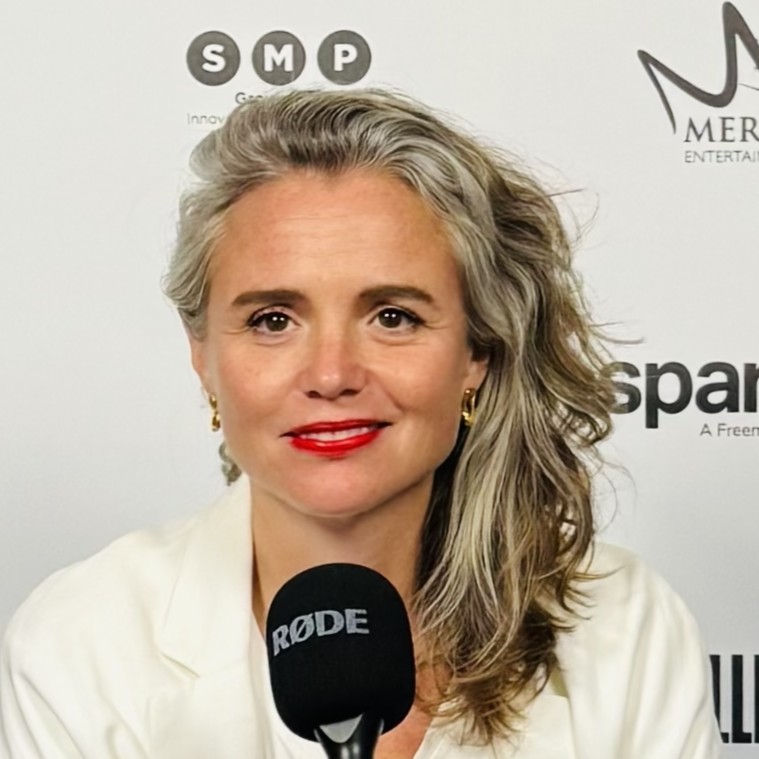
Dina Green
CEO, Founder, UK Creative Festival Ltd.
In 2026, creative businesses face a stark choice: invest in creativity or get left behind.
There’s a dangerous assumption running through too many creative businesses: that creativity will just take care of itself. Hire some talented people, throw them a brief and watch the magic happen. It’s a comfortable story. It’s also one that’s becoming increasingly impossible to defend.
The changing creative landscape
The business environment facing creative industries in 2026 isn’t just complex, it’s brutal. AI isn’t knocking on the door; it’s already inside, reshaping how creative work is conceived, produced and valued.
New revenue models are emerging faster than most businesses can think, let alone strategise. Globalisation means a design studio in Manchester or a games developer in Bristol isn’t competing locally anymore — they’re competing with the entire world. And clients? They’re sharper than ever, demanding more and paying less.
In this climate, inspiration isn’t a luxury. It’s oxygen.
The creative businesses built to last get this: investing in tools and talent, but also in thinking, too
Investing in tools, talent and thinking
The creative businesses built to last get this: investing in tools and talent, but also in thinking, too. In deliberate exposure to new ideas, uncomfortable perspectives and cross-sector conversations that keep their work sharp and their strategy ahead.
They know that creative stagnation isn’t just uninspiring, it’s a commercial liability. In other words, don’t get comfortable!
Talent is part of this, too. The next generation of creatives is dismantling assumptions about technology, audience and what’s even possible. The businesses smart enough to stay plugged into that energy, rather than threatened by it, think differently. And the ones that think differently? They are the ones who succeed.
The UK’s creative economy is globally admired, economically significant and world-leading. But that status isn’t a given. Holding onto it demands a relentless, collective investment in ideas, people and the conversations that refuse to let comfortable thinking go unchallenged.
The UK Creative Festival exists to be that catalyst, to unite, strengthen and push the UK’s creative community forward. The businesses that will define the next decade of British creativity are already in the room, already asking the harder questions. The only question is whether you are.
