
Michelle Ovens
CBE, CEO and Founder of Small Business Britain
AI is rapidly transforming the future of retail and e-commerce — making it more personalised, efficient and data-driven than ever before. For small businesses, this presents a huge opportunity.
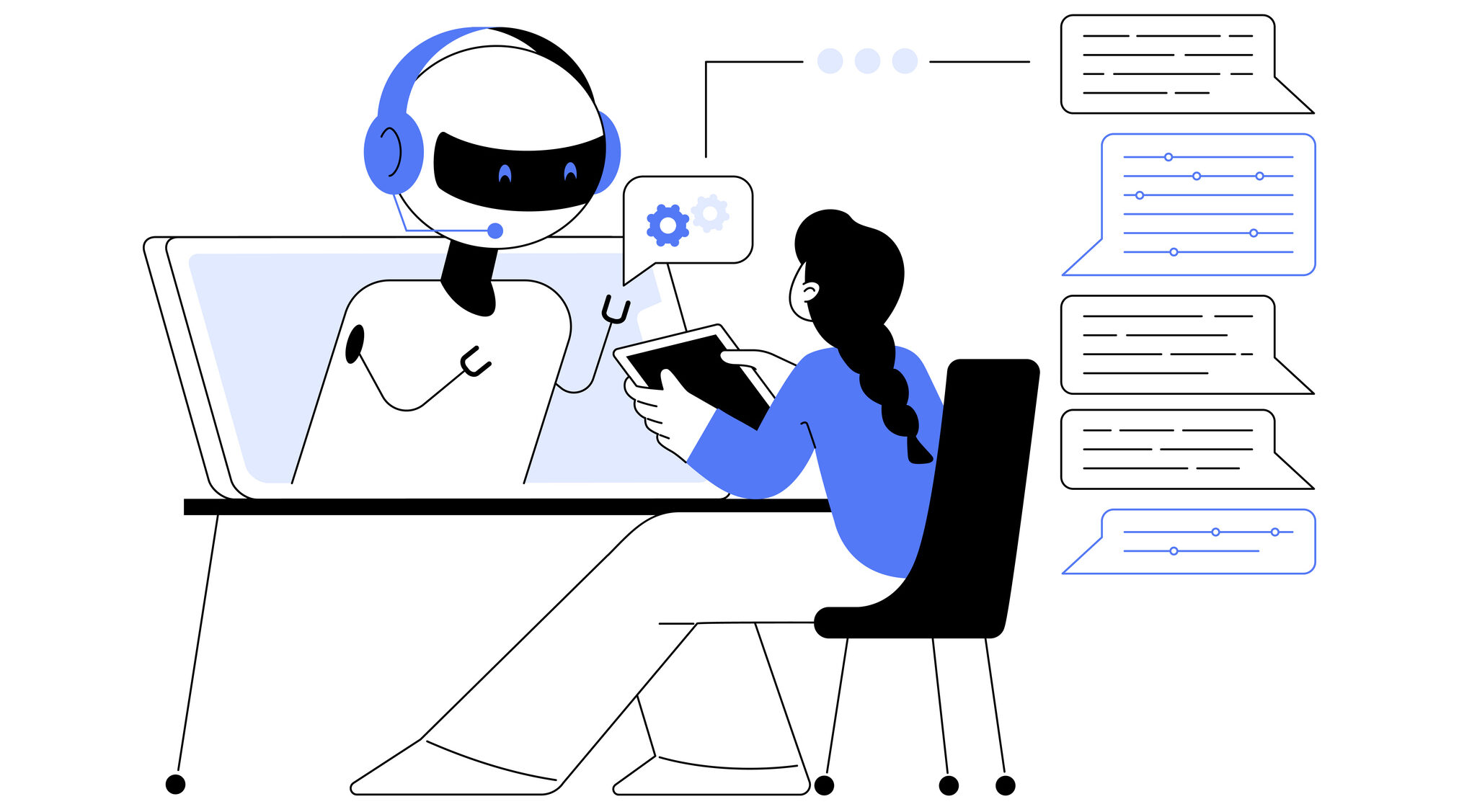
Traditionally, competing in retail required time, expertise and budget, resources many small businesses simply didn’t have. Today, AI-powered tools are helping to level the playing field, acting as a silent team member that automates time-consuming tasks and helps businesses reach customers more effectively.
From generating product descriptions and marketing content to analysing customer behaviour, managing email campaigns and improving website performance through SEO, AI is saving time while enabling personalisation at scale. By analysing customer preferences, purchasing patterns and browsing behaviour, businesses can recommend the right product at the right time, improving visibility, engagement, customer loyalty and sales.
However, unlocking these benefits requires confidence and understanding.
Meaningful AI deployment still challenging for small businesses
We are seeing firsthand the growing appetite for practical skills, highlighting the importance of accessible education. For many small business owners, the challenge isn’t recognising the potential of AI — it’s knowing how to apply it in ways that deliver real value for their retail and ecommerce operations.
The right training can build confidence and help entrepreneurs experiment with new tools. By creating accessible learning opportunities, we can help small businesses understand how AI can save time, improve customer experiences and drive growth.
AI-powered tools are helping to level the playing field, acting as a silent team member that automates time-consuming tasks
Overcoming AI anxiety to fully take advantage of it
Helen Whetton, Brand and Marketing Director at BT, added:
“AI has the potential to level the playing field for small businesses, giving them access to tools once reserved for large companies. By automating repetitive tasks and generating content and campaign ideas, it frees up valuable time to focus on growing their business and nurturing relationships with customers.”
“Access to technology isn’t enough on its own, though. What matters is helping businesses understand how to use these tools effectively and responsibly, protecting themselves and their customers from potential cyber threats. If small businesses have the confidence to use technology to their advantage, we can securely unlock a new wave of growth and productivity for the UK economy.”
