Tacko Ndiaye
Senior Gender Officer/Gender Team Leader, Food and Agriculture Organization of the United Nations (FAO)

Mariola Acosta
Strategic Coordinator, International Year of the Woman Farmer
From production, processing and trade, women farmers sustain agrifood systems worldwide. The International Year of the Woman Farmer puts their leadership in focus.
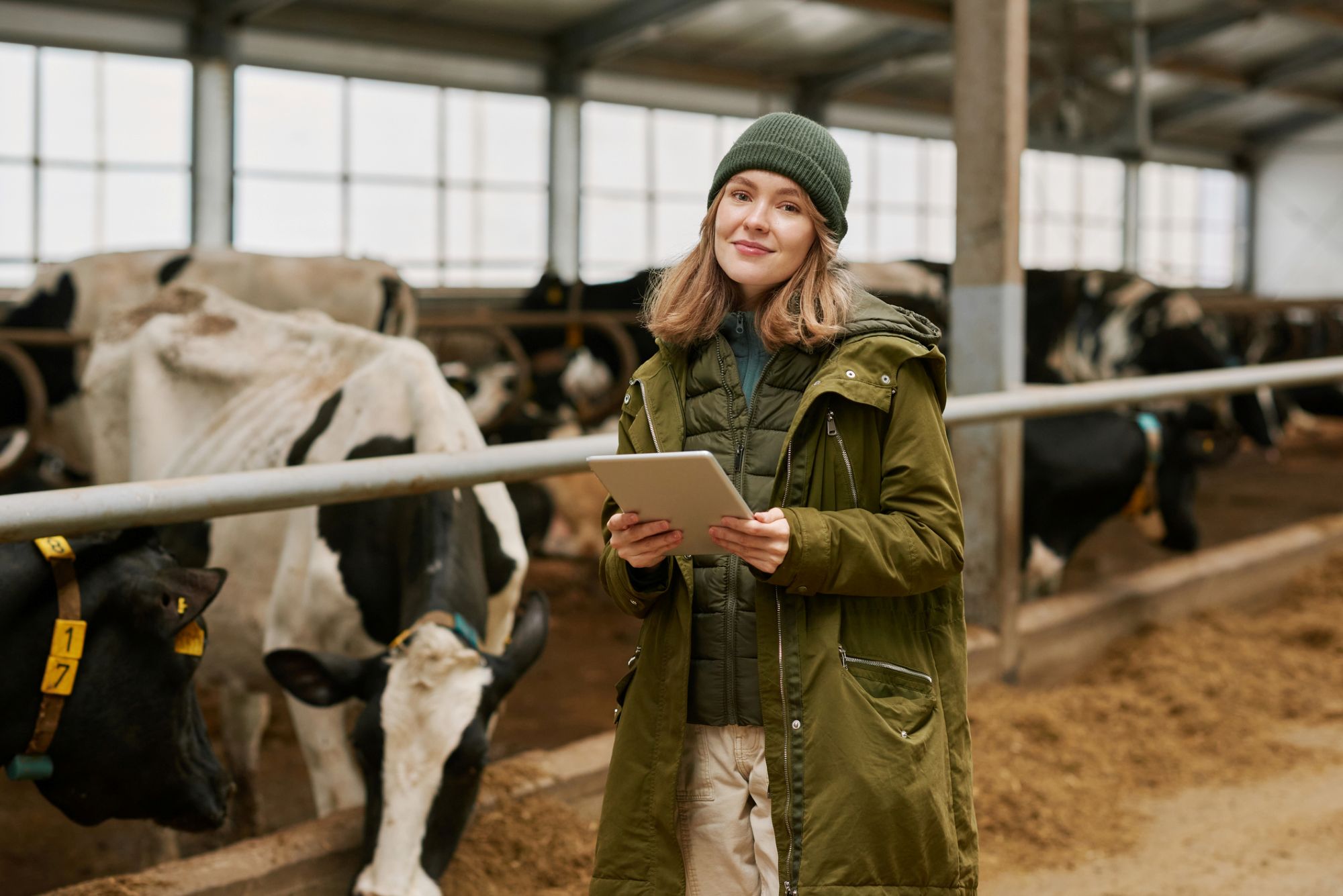
Women are essential to agrifood systems, working across farming, livestock, fisheries and aquaculture, forestry, food processing and research.
Backbone of agrifood systems
Globally, women make up 41% of the agrifood force,1 yet their work is often informal, underpaid and overlooked. In regions such as South Asia and sub-Saharan Africa, the proportion of women in agrifood systems is as high as 70%.1
Despite their vital contribution, women farmers continue to face structural barriers. Limited access to and control over land, credit, training, technology and services undermines their productivity and earnings, while unpaid care work further restricts their opportunities. For example, when men and women farm a plot of the same size, women’s output is on average 24% lower2, and these same systemic barriers are reflected in wages: women working in agrifood systems earn just 78 cents for every dollar3 earned by men.
Globally, women make up 41% of the agrifood force,1 yet their work is often informal, underpaid and overlooked
Empowered women, transforming agrifood systems
Addressing these gender inequalities through responsive policies, better access to services and finance and targeted training could deliver enormous social and economic gains, reduce hunger, improve dietary diversity and boost resilience.
The scale of what inclusive and gender-responsive agrifood systems can achieve is stark. Recent FAO estimates show that if we were able to close gender gaps in farm productivity and wages, we could raise global GDP by 1 trillion dollars and lift 45 million people out of food insecurity. Meanwhile, development interventions focused on empowering rural women could lift the incomes of 58 million people and strengthen resilience for 235 million.
In 2026, the International Year of the Woman Farmer offers a unique opportunity to put women at the centre of agrifood systems transformation. By listening to women farmers and investing in their empowerment, we can collectively build more inclusive, resilient and sustainable agrifood systems that benefit everyone. The future of agrifood systems hinges on women being able to reach their full potential and on systems that finally recognise, value and support their work and leadership.
The views expressed in this publication are those of the authors and do not necessarily reflect the views or policies of FAO.
[1] Costa, V. et al. (2026). Global estimates of women’s and men’s employment in agrifood systems from 2000 to 2021. Global Food Security.
[2] Anríquez, G., Quiñónez, F., & Foster, W. (2025). Levelling the farm fields: A cross-country study of the determinants of gender-based yield gaps. Global Food Security.
[3] Benali, M. et al. (2025). The agrifood-system wage gap and structural transformation: Cross-country evidence. Global Food Security.
