 Business & Industry
Workforce Transformation 2026
-
s Sponsored
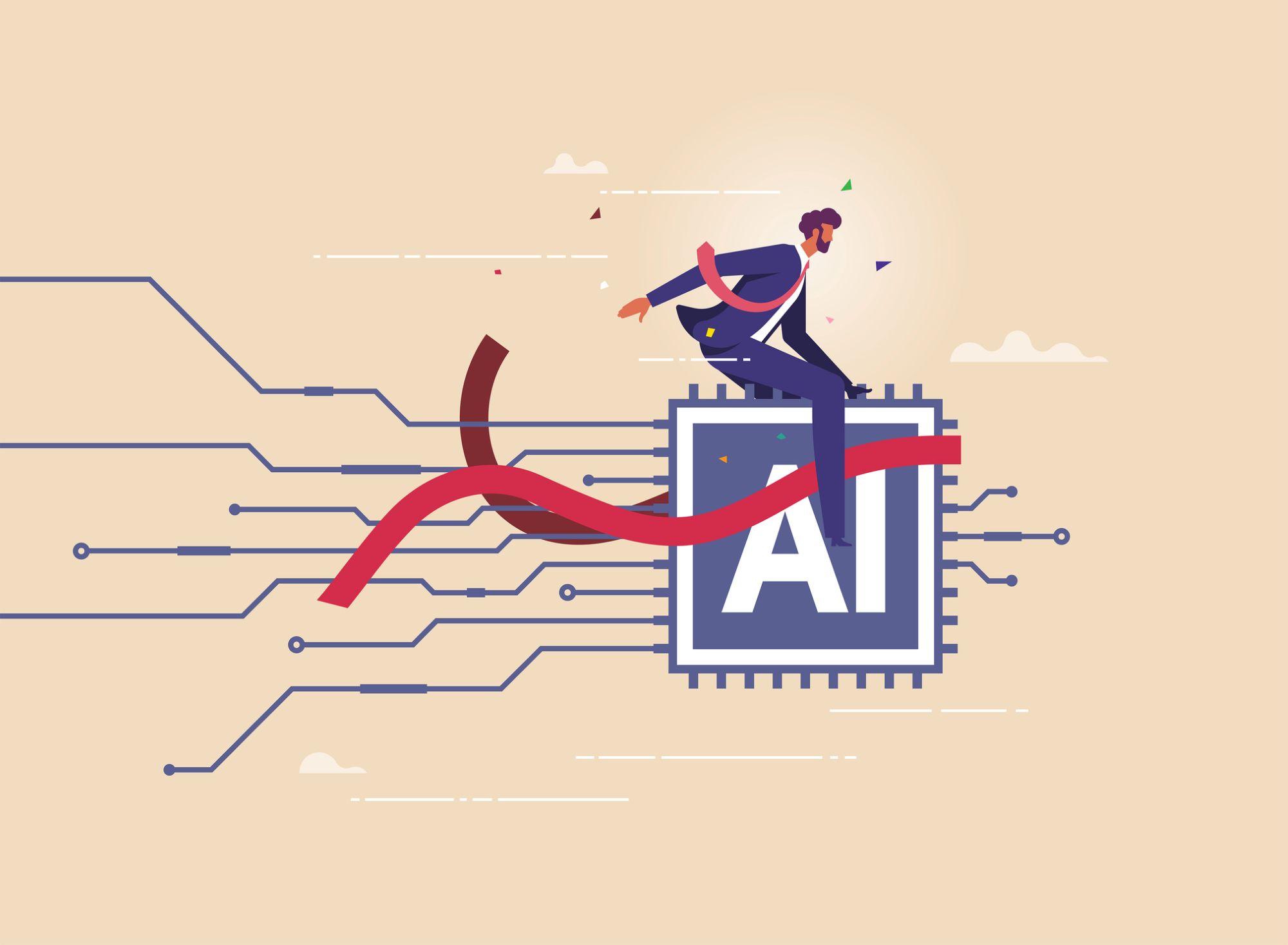
Turn ‘AI access’ into ‘AI capability’ — and transform your workplace
AI workforce transformation succeeds when organisations think about the entire work process and turn broad ambition into clear, fair, job-relevant skills that deliver real value. In the workplace, artificial intelligence has gone mainstream. Now, the question for organisations isn’t: ‘Will our staff use AI?’ Instead, they should ask: ‘Will our employees be able to use...
-

Why financial wellbeing is a benefit employees actually need
As persistent cost of living pressures hit home, the boundary between personal finances and professional performance has completely dissolved. Forget office redesigns and shiny tech stacks; one of the most critical challenges facing today’s workforce is happening in their bank accounts. We can no longer discuss modern workplace transformation without talking about financial survival. Financial...
-

Make sure employees feel at ease with supportive technology
With the increase of AI and digital transformation, employees are asking: does this transformation make work better, fairer and more human for me? Successful businesses recognise that wellbeing and inclusivity are not afterthoughts sitting alongside a technology strategy but essential. A new digital platform may streamline processes, but if it increases stress, excludes employees or...
-

Authentic, human-centred leadership: how high performance happens
Leadership is not simply about running the mechanics of your organisation; it’s about how you show up and serve the people you lead. Leadership lives in your responsibility for the human beings you employ and is not just a set of business processes to be managed. When leaders focus solely on strategy, plans, budgets, reports...
-

Practical AI will benefit businesses, not slow them down
Discover how artificial intelligence can be implemented to be at the heart of workforce transformation, now and in the future. British Chambers of Commerce (BCC) research shows AI adoption among SMEs has reached 54% in 2026, highlighting how quickly firms are exploring ways to improve productivity.1 Yet, the key question is not whether businesses are...
-

s Sponsored
The next workforce advantage is global flexibility
The next workforce advantage is having the flexibility to act when conditions change. Global hiring is becoming more than an expansion exercise; it is how companies can access scarce skills, test markets and stay adaptable through uncertainty. For businesses, resilience increasingly means having the flexibility to respond when circumstances change. Yet many organisations still build...
-

s Sponsored
In a world being reshaped by AI, human connection is irreplaceable
Coaches and leaders need to navigate the complex emotional, social and political layers of organisational life. They’re asked to lead through ambiguity, respond to pressure and make sound judgments even when there’s no clear path. All other more managerial, strategic and planning work has been largely replaced or aided by computers. In these conditions, real...
-
s Sponsored
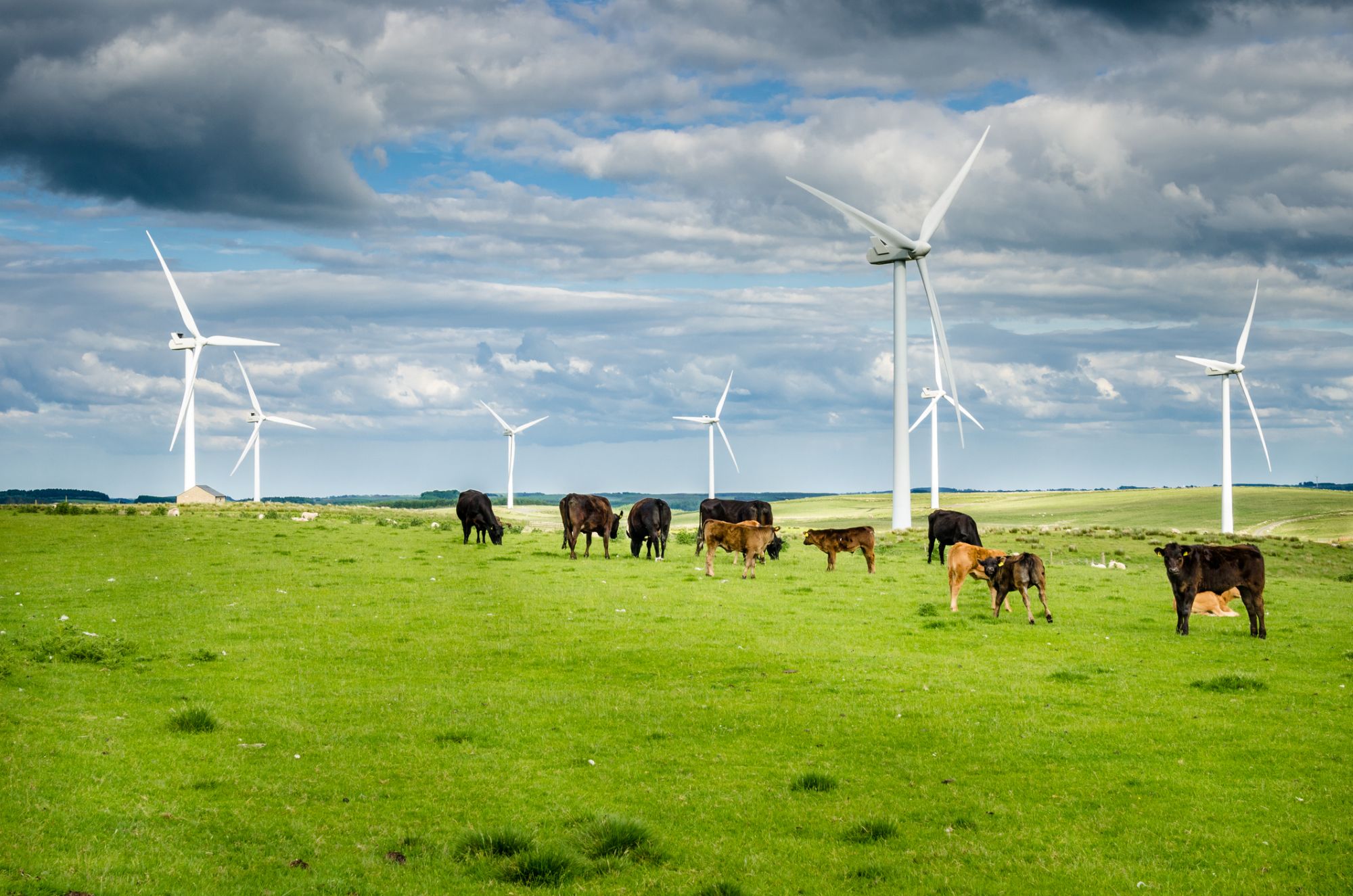
Turning sustainability targets into farm-level action
With 2030 fast approaching, sustainability is being stress-tested. The real question is no longer what targets say, but whether supply chains can deliver change on the ground. As 2030 sustainability targets approach, the focus is shifting from ambition to delivery — particularly at a farm level, where increasing demands for data are proving complex. Sustainability...
-
s Sponsored
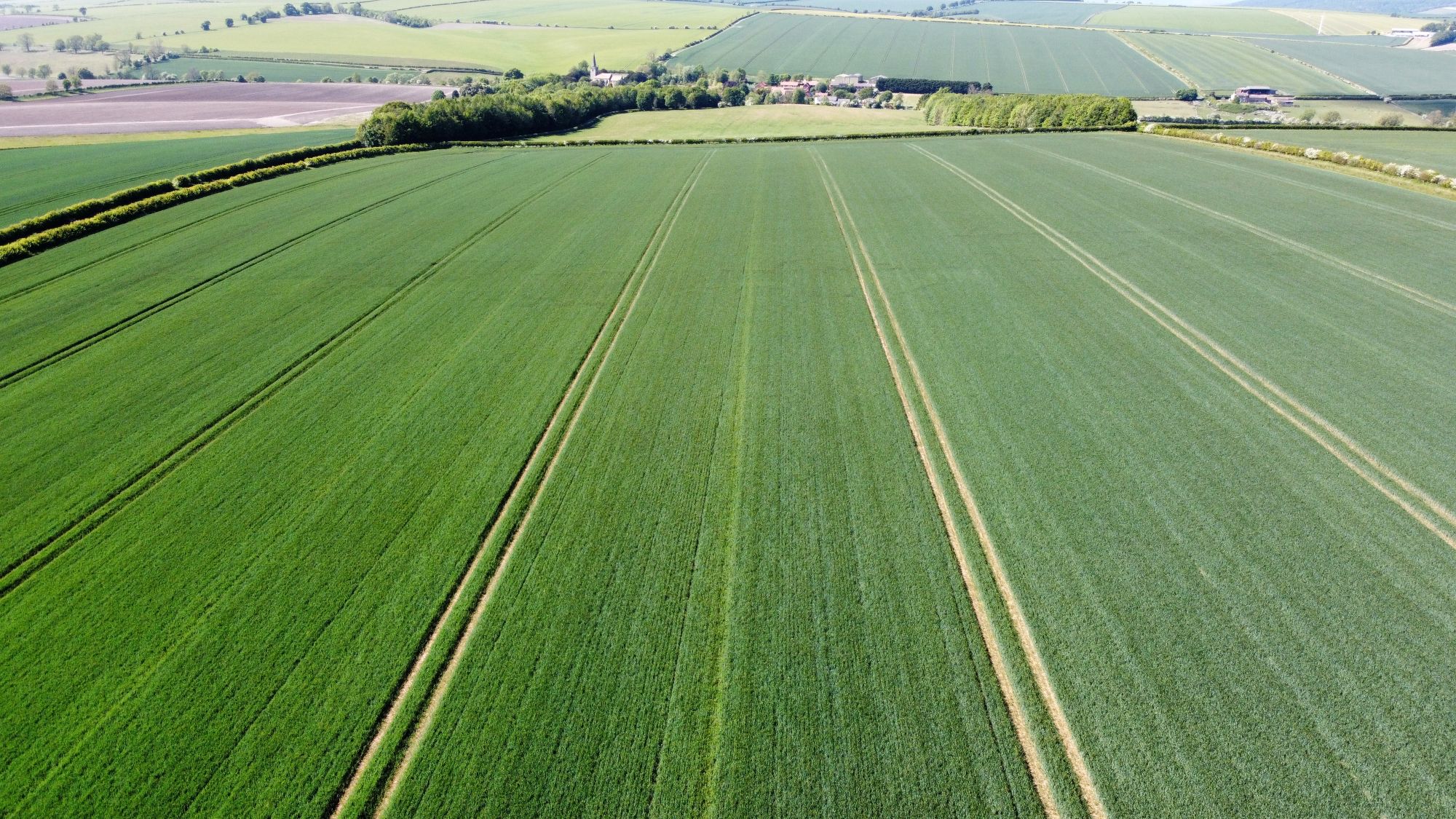
Biopesticides are the future of sustainable crop production
Integrating biopesticides into conventional crop protection programmes gives farmers the ability to overcome resistance and regulatory challenges without compromising yield. The third agricultural revolution delivered astonishing yield and productivity gains for farmers globally. High-yielding varieties, chemical fertiliser and synthetic pesticides have been cornerstones of our farming systems since the 1960s. Arguably, it’s the main reason...
-
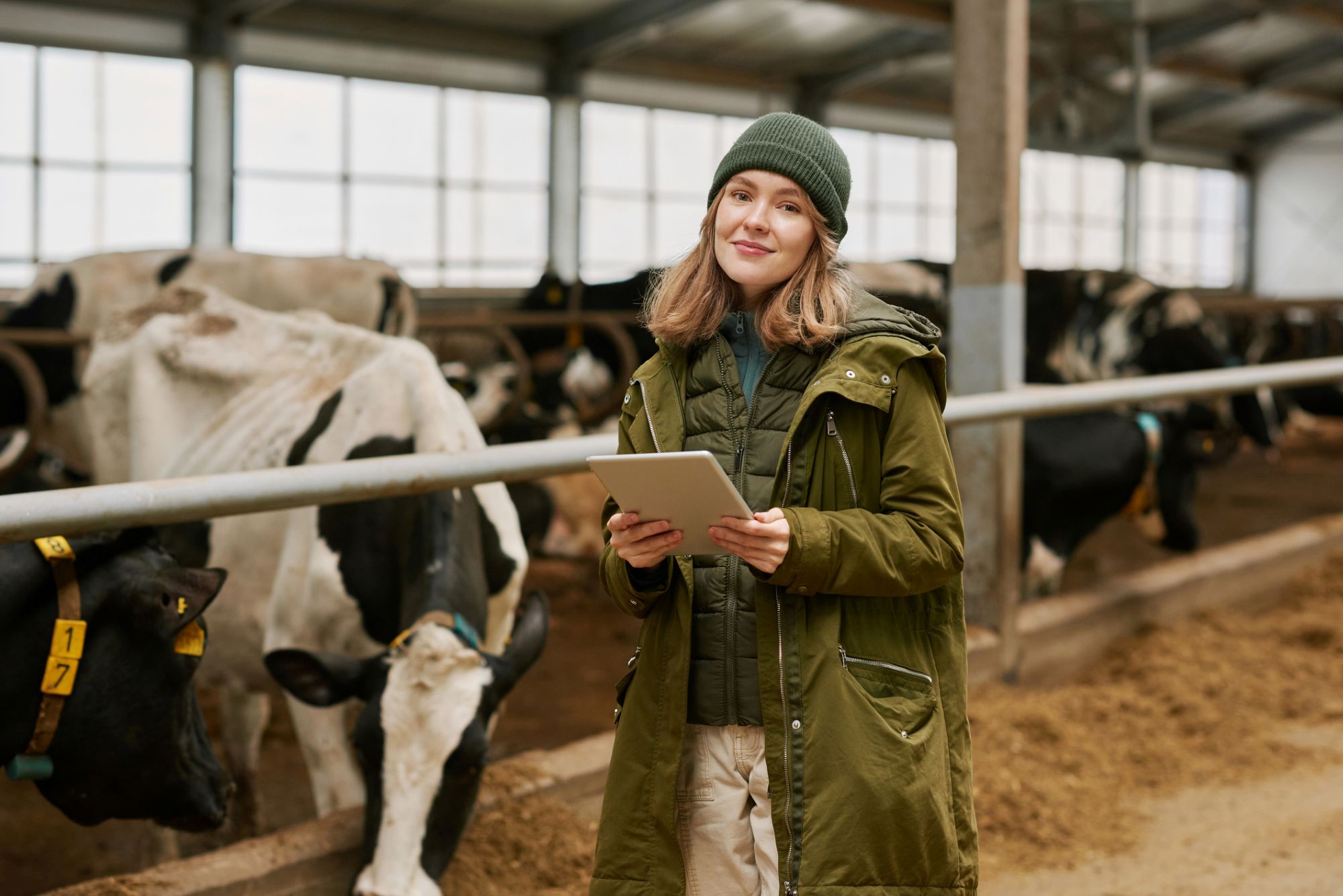
Why investing in women farmers pays off
From production, processing and trade, women farmers sustain agrifood systems worldwide. The International Year of the Woman Farmer puts their leadership in focus. Women are essential to agrifood systems, working across farming, livestock, fisheries and aquaculture, forestry, food processing and research. Backbone of agrifood systems Globally, women make up 41% of the agrifood force,1 yet...