

David Eudall
Managing Director, Promar International
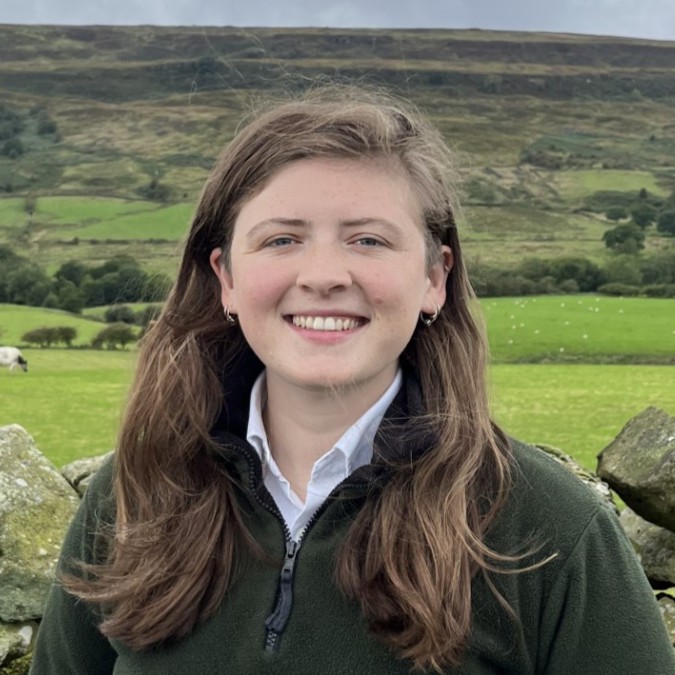
Hattie McFadzean
Senior environmental consultant at farming consultancy Promar International
With 2030 fast approaching, sustainability is being stress-tested. The real question is no longer what targets say, but whether supply chains can deliver change on the ground.
As 2030 sustainability targets approach, the focus is shifting from ambition to delivery — particularly at a farm level, where increasing demands for data are proving complex.
Sustainability is not just about carbon
For farmers and stakeholders, sustainability now spans biodiversity, water, nutrient cycles and resilience, creating a more holistic — but more challenging — framework for farmers to navigate. Much of this demand is driven by the private sector, with supply chains seeking detailed, multi-metric reporting.
“Carbon has been useful to bridge the gap because we can link it to on-farm efficiency,” says Hattie McFadzean, senior sustainability consultant at food and agriculture consultancy Promar International. “But when you move into areas like biodiversity or [carbon] sequestration, the data requirements become harder to meet and significantly increase the audit burden on farmers.”
This complexity is compounded by the structure of supply chains. Farms rarely supply a single buyer, meaning they’re often asked for different data by different organisations.
Alongside this, the industry is confronting the limitations of how sustainability targets have been set. Many 2030 commitments are binary and fixed, despite being created in a different operating environment.
“Targets are often too black and white,” says David Eudall, managing director at Promar International. “They don’t reflect the volatility farmers are dealing with — from weather to market pressures — which makes it difficult to align them with real-world farming systems.”
Those who have embedded sustainability into their strategy have a clear story to tell, even if they miss the target
2030: test phase, not endpoint
Early adopters are already learning valuable lessons about what works and what doesn’t.
“Those who have embedded sustainability into their strategy have a clear story to tell, even if they miss the target,” Hattie explains. “The risk is greater for those who have treated sustainability as a tick-box exercise.”
Looking beyond 2030, this pressure is unlikely to ease. Climate impacts, geopolitical instability and evolving frameworks will continue to reshape expectations.
Supply chains must focus on what’s materially achievable, and support farmers with the tools, incentives and clarity needed to deliver meaningful, long-term change.
Promar provides practical sustainability services, helping the food and farming supply chain turn environmental goals into measurable actions.
