Business & Industry


Gemma Nokes
Head of Marketing UK & IE, UPL
Integrating biopesticides into conventional crop protection programmes gives farmers the ability to overcome resistance and regulatory challenges without compromising yield.
The third agricultural revolution delivered astonishing yield and productivity gains for farmers globally. High-yielding varieties, chemical fertiliser and synthetic pesticides have been cornerstones of our farming systems since the 1960s. Arguably, it’s the main reason the planet has sustained a population of 8.3 billion and counting1.
But times are changing. Regulation, resistance and price pressure are making a 50-year-old farming system increasingly unfeasible, and there’s more to come. In March 2025, the Government’s National Pesticides Action Plan was published, aiming for a further 10% reduction in pesticide use over the next five years.
Fourth agricultural revolution
This is where the fourth agricultural revolution steps in, argues Gemma Nokes, Head of Marketing for UPL. Precision agriculture and biological alternatives to synthetic pesticides will bridge the gap between the high productivity of the green revolution and modern sustainability goals.
“UPL has been on a journey to be more sustainable over the last five years,” explains Gemma. “We developed the Natural Plant Protection (NPP) brand to promote the biosolutions we bring to the market.
“The most successful products in our NPP portfolio are Iodus (laminarin) and Thiopron (sulphur), which are bio-fungicides. These are both registered fungicides, which is crucial because it means they’ve been fully approved for disease control, just like a conventional pesticide.
“We don’t see these replacing conventional chemistry. We want biological and chemical crop protection to work together in appropriate programmes. This will create a sustainable approach which maintains what we already have and develops exciting new solutions.”
Real-world evidence
To demonstrate that this approach can improve sustainability without compromising yield or profits for farmers, not just in the future but now, UPL established an initiative last year called ‘25 in 2025.’ Three large estates in England were supported to replace 25% of their input programmes in a wheat field with biological alternatives.
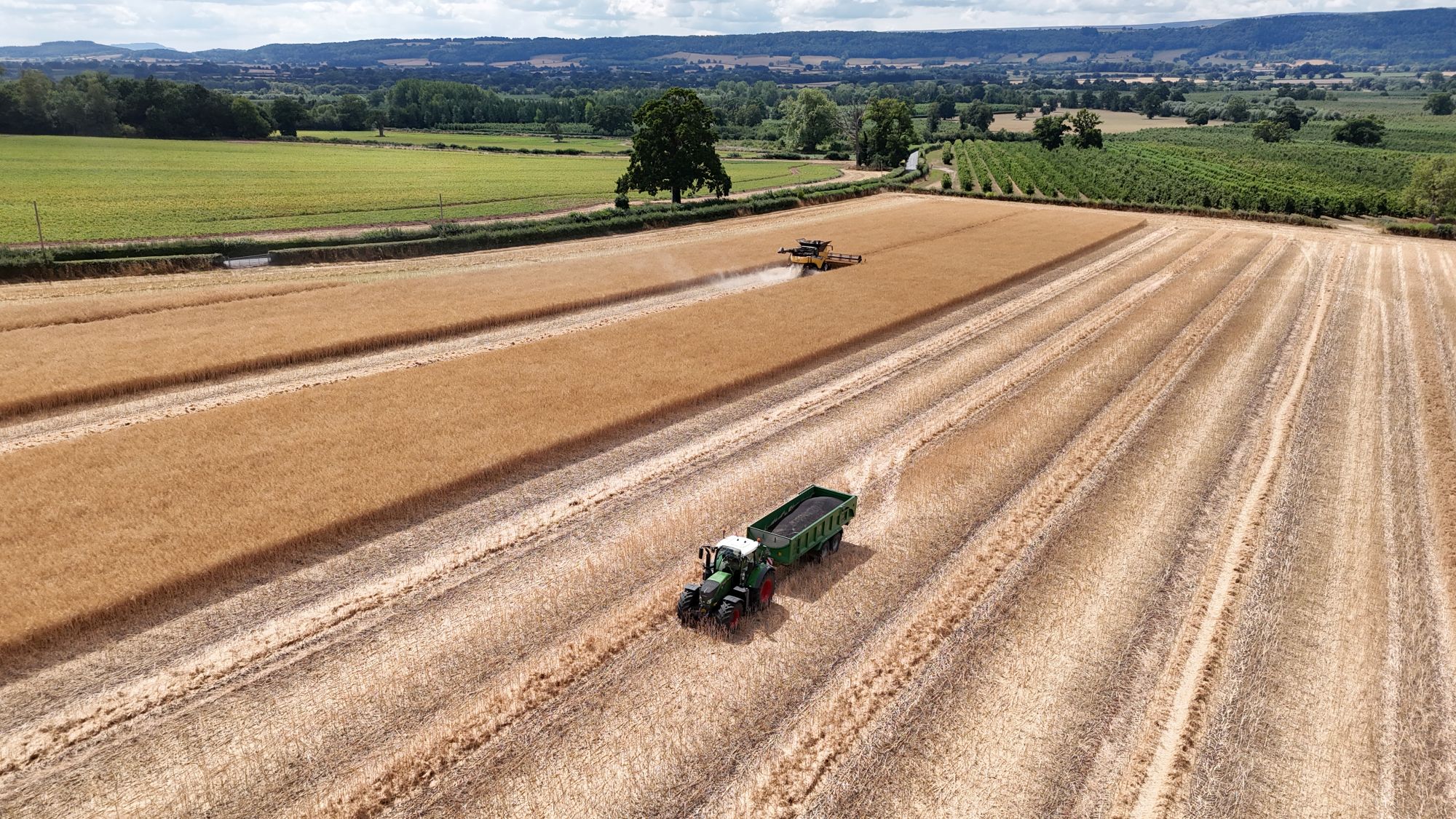
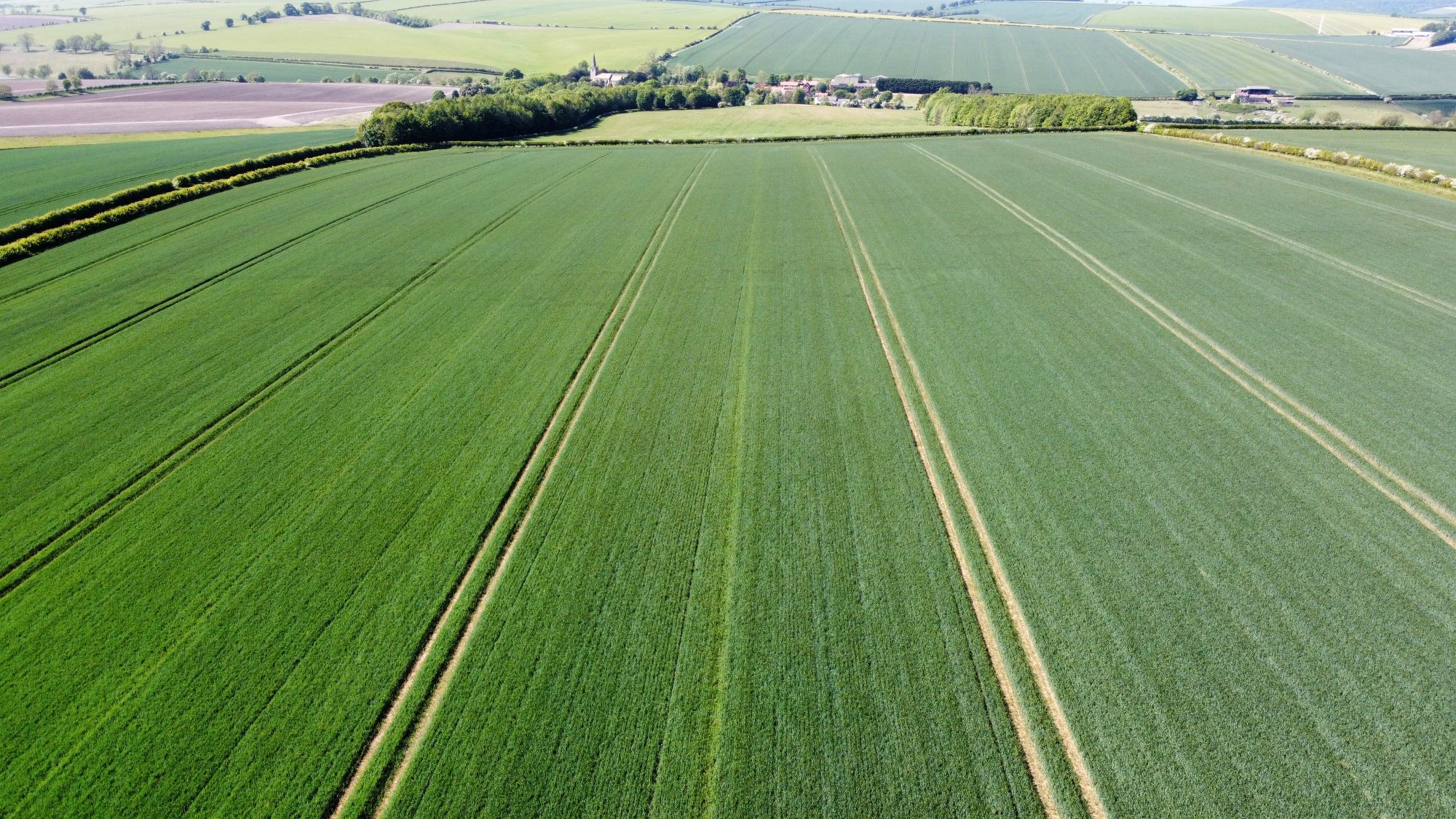
Dyson Farming in Lincolnshire, Albanwise in Yorkshire and Raby Estates in County Durham took part. They used fields of winter wheat for the ‘25 in 2025’ trial, two of which were grown for animal feed and one for milling.
“The farms were chosen because they were already utilising more sustainable growing practices to enhance their profitability, so we weren’t starting from a standing start when looking to increase the amount of biological products in their programmes to 25%,” says Gemma.
With alternative herbicide options limited, UPL focused on altering the crop’s nutrient and disease control programmes to account for 25% of the inputs. Nitrogen rates were reduced, with nutrient requirements met by biostimulants and products that can fix atmospheric nitrogen, making it available to the plant.
Similarly, the farmers used fewer conventional fungicides, replacing them with biological plant health elicitors to stimulate the crop’s own defence mechanisms against disease.
Gemma believes some products used in the ‘25 in 2025’ trial can deliver gains beyond what synthetic chemistry offers. “Biosolutions like the biostimulant Vitalroot encourage rooting. It helps to alleviate the effects of a less-than-ideal crop establishment and drought stress, as does additional foliar nutrition,” she says.
Precision agriculture and biological alternatives to synthetic pesticides will bridge the gap between the high productivity of the green revolution and modern sustainability goals.
We want to marry sustainability with productivity
The farms found no measurable difference in yield between the parts of the field treated with the ‘25 in 2025’ programme and the rest of the field, which received their usual farm programme. For UPL, that’s the outcome that helps prove farmers can look forward to a future less reliant on chemical solutions by utilising more sustainable alternatives.
“We want to marry sustainability with productivity, which ‘25 in 2025’ demonstrated we can achieve. It shows farmers can phase out some practices without worrying about compromising their profits.
“It’s an exciting vision for the future,” concludes Gemma.