
Kate Wilsher
Chief Operations Officer
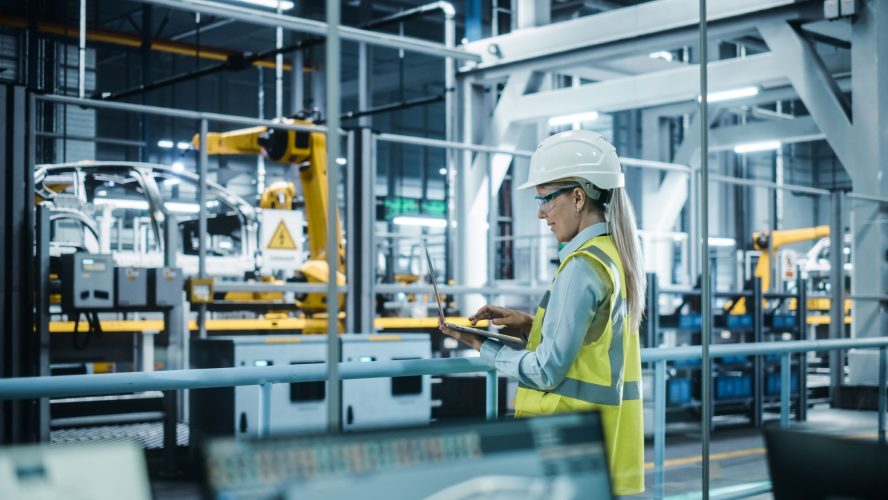
UK manufacturing is undergoing profound change. Digitalisation, the transition to net zero and persistent skills shortages are reshaping the sector.
These shifts present an opportunity to rethink traditional career pathways and broaden access to a more diverse talent pool. Yet manufacturing continues to draw from only part of the workforce.
Women make up nearly half of UK employees1, but just 28.4% of manufacturing roles2. They also earn 15% less than men.3 At a time when demand for skilled workers is accelerating, this imbalance represents a missed opportunity for individuals, businesses and the economy.
Slow gender inclusion and why representation still lags
Structural barriers, limited visibility of role models and outdated perceptions of manufacturing careers continue to affect recruitment, progression and retention. Women remain underrepresented in leadership and face a persistent gender pay gap.
These challenges aren’t unique to manufacturing, but their impact is magnified in an industry already grappling with workforce shortages. Without deliberate action, the sector risks narrowing its talent pipeline just as innovation and adaptability are most needed.
Inclusive leadership plays a decisive role in shaping manufacturing careers. Evidence shows that organisations prioritising equity, diversity and inclusion perform better in innovation, decision-making and long-term resilience. For individuals, inclusive cultures translate into clearer career paths, fairer access to opportunities and workplaces that value different skills and perspectives.
As manufacturing roles evolve, diverse leadership teams are better equipped to respond to change and build careers that reflect the realities of the modern workforce.
These shifts present an opportunity to rethink traditional career pathways
and broaden access to a more diverse talent pool.
Turning insight into action
Women in Manufacturing UK (WiM UK) brings together industry, policymakers and researchers to translate evidence into practical action.
Launched in 2022 by the Institute for Manufacturing, University of Cambridge, the High Value Manufacturing Catapult and Innovate UK Business Connect, the initiative supports the sector’s ambition to increase women’s participation to 35% by 2035, aligned with the Advanced Manufacturing Sector Plan, part of the UK’s Modern Industrial Strategy.
Guided by an industrial advisory board, WiM UK aims to empower women in manufacturing by creating inclusive workplace cultures and facilitating pathways to career development and leadership.
WiM’s latest report offers insights and recommendations for employers and decision-makers seeking to build inclusive workplaces, strengthening their ability to attract, develop and retain diverse talent for the future. Download it here.
[1] ONS. (2024). Workforce jobs by industry (SIC 2007) and sex – adjusted.
[2] ONS (2025). Annual Population Survey, January-December, 2024.
[3] ONS. (2024). Annual Survey of Hours and Earnings.
