
Dr. Nandini Chakravorti
Associate Director, Digital Engineering at The Manufacturing Technology Centre (MTC)
Artificial intelligence has quietly powered factories for the past decade, inspecting parts, safeguarding quality and keeping production humming in the background. But that era is about to look tame.
Manufacturing is transforming: AI doesn’t just analyse what’s happening on the shop floor, but actively decides what should happen next. This is the leap from automation to true autonomy.
Traditional industrial AI vs new generation AI
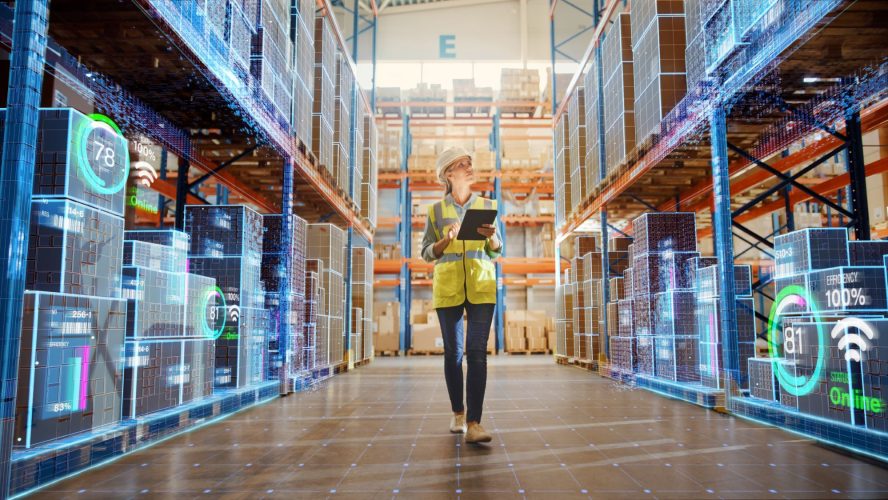
Traditional industrial AI follows structured workflows, analysing information, flagging issues and prompting human action. In the next generation, intelligent systems can predict changes, such as supply chain disruptions, before the consequences unfold and adjust production schedules in real time. Digital twins, virtual replicas of systems and factories, allow manufacturers to test what-if scenarios safely before making changes in physical environments.
In the next decade, factories won’t be defined by scale alone, but by how intelligently they connect data, simulation and machinery to achieve this ‘physical AI.’ Recent developments, including collaboration between NVIDIA and Siemens, are accelerating this transition. Advanced computing power and digital twin technology are bringing digital models and physical operations closer together.
In an environment shaped by labour shortages and geopolitical volatility, the ability to anticipate disruption and adapt quickly offers a strategic advantage.
Significant industrial opportunity
In an environment shaped by labour shortages and geopolitical volatility, the ability to anticipate disruption and adapt quickly offers a strategic advantage. But as AI begins influencing physical operations, the stakes rise.
Many factories still rely on legacy systems that weren’t designed to work together or share data seamlessly. Without secure, reliable information flowing across systems, greater autonomy cannot operate safely.
As digital and physical systems become more integrated, cybersecurity becomes central to operational resilience. Corrupted or incomplete data isn’t simply an IT issue — it can halt production lines or disrupt critical supply chains.
Governance must evolve at the same pace as capability. Intelligent systems require clear and robust guardrails, permissions and structured oversight. The manufacturers that succeed in this next phase will be those that build autonomy on secure, trustworthy foundations, and organisations like MTC are supporting them by turning complex approaches into practical tools teams can actually use.
Moving towards smarter factories, trust, not speed alone, is equally important as the intelligence that powers it.
