


Nathan Spencer
Director of UKREiiF
The property sector is rich with ideas, ambitions and panel discussions. The real test now is moving beyond talk and committing to tangible development that delivers homes, regeneration and long-term value for communities.
From conversation to construction
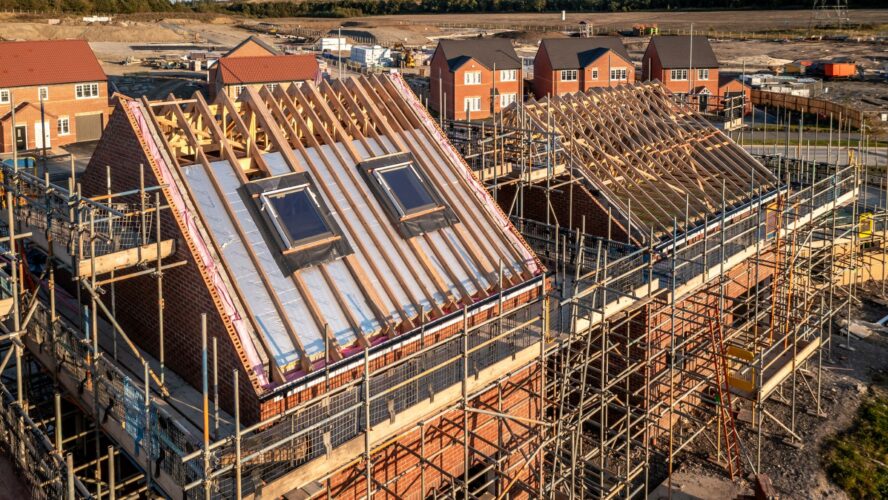
The UK property and infrastructure sectors are no strangers to big ambitions. From housing delivery and regeneration to sustainability and infrastructure investment, the industry is full of strategic vision – but vision alone is no longer enough. The challenge is to close the gap between conversation and construction and take shared responsibility for delivery.
Progress in real estate rarely happens in isolation. It depends on collaboration between local authorities, developers, investors and communities. When these groups come together with clear purpose and the will to act, discussion becomes decision-making, and decision-making becomes delivery.
Collaboration in action
Across the UK, partnerships between the public and private sectors are already demonstrating what can be achieved when intent turns into implementation. At UKREiiF, examples include Stoke-on-Trent City Council and Capital & Centric, Torbay Council with Milligan and Willmott Dixon, and Hull City Council with ECF, showing how aligned stakeholders, coming together to talk face-to-face, have unlocked opportunities and driven regeneration.
Local authorities bring place-based knowledge, strategy and land; the private sector contributes investment, delivery expertise and commercial momentum. Together, they unlock sites, accelerate programmes and turn ambition into real projects.
Regeneration in particular demands this collective effort, alongside the confidence to act.
From words to deals
Strategy sessions can only take projects so far. The tipping point comes when intent becomes proposals, structures and delivery plans – agreeing terms, committing resources and setting timelines.
The key question is no longer “what could we do?” but “what are we prepared to commit to now?”
Proof of progress
The UK’s development challenges will not be solved by discussion alone. They demand collaboration, commitment and action – turning today’s conversations into tomorrow’s developments.
