 Business & Industry
Life sciences
-
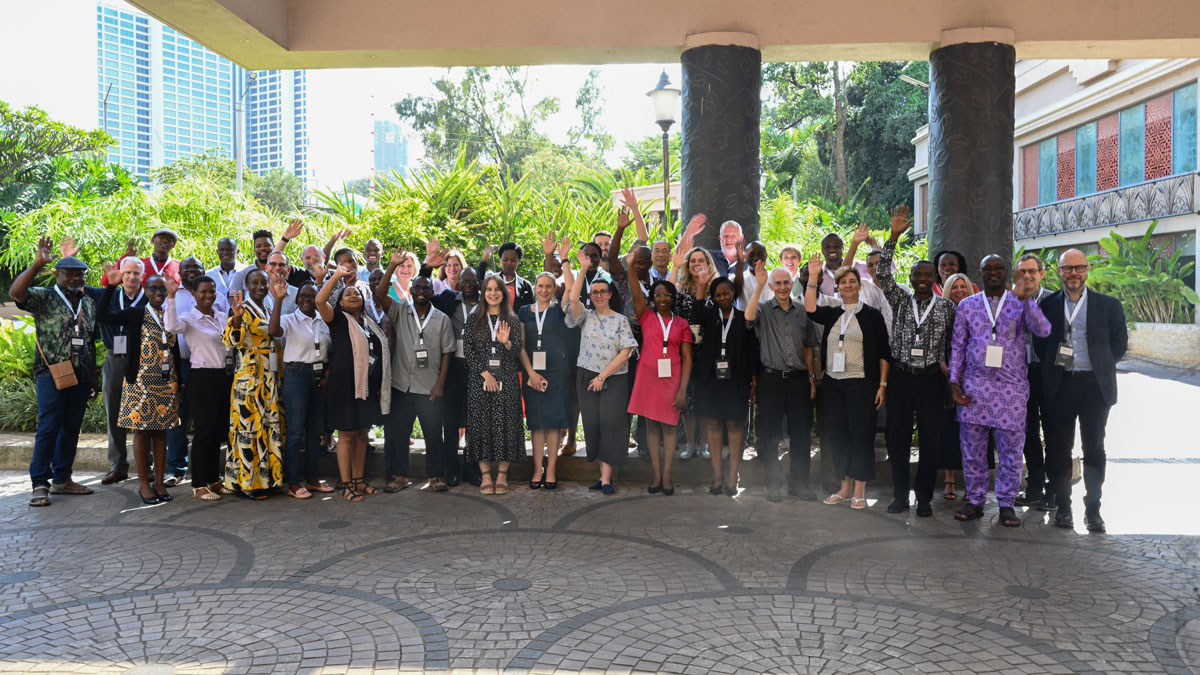
Developing drug discovery initiatives for Africa, out of Africa
We must develop drug discovery research capacity near patients in Africa to understand and meet their health needs. Africa’s emerging drug discovery community is poised to tackle these challenges. Africa, home to 1.3 billion people, faces a triple health threat from infectious diseases, non-communicable diseases and socioeconomic challenges that exacerbate access to healthcare. Need for...
-

s Sponsored
How new research centres will unlock more rare disease tests and treatments
Four new research centres are set to unite scientists and specialists across the country to develop new tests and treatments for patients with rare diseases. For patients with rare diseases to benefit quickly from new treatments, researchers and scientists from various disciplines and facilities must collaborate more closely. Rare disease research requires collaboration Unfortunately, the...
-

s Sponsored
Reusable cartridges for laboratory water purification systems help cut waste
Launch of innovative filter cartridge boosts sustainability and offers cost savings for laboratories using ultra-pure water systems. An innovation in ultra-pure water technology that reduces carbon emissions by up to 90% and saves users 20% on each filter cartridge, is being launched by laboratory supplies company Avidity Science. Reusable cartridges boost laboratory efforts “This new...
-

Catalysing entrepreneurial growth: from university niche to industry ecosystem
Historically, there was more division between academia and industry, but they now collaborate more effectively. University research, especially in life sciences, frequently impacts industrial research and development (R&D). Industry follows and may assimilate technological and conceptual advances from academic publications, combined with proprietary know-how, to improve industrial R&D workflows. IP development for societal impact A...
-

s Sponsored
Belgian company becomes global specialist with unique synergies
A Belgian engineering company that builds R&D machines grew over 30 years into a niche pharma player on a global scale. Van der Gucht: “We started PROCEPT in 1994 as a developer of R&D process machines that could give researchers more data and minimize the need for expensive research materials. From the beginning, we focused...
-

Operationalising the African regulatory ecosystem for the benefit of all patients
Regulatory alignment across Africa can boost life sciences innovation, aiding pharmaceutical sector growth and enhancing patient access to medicines and vaccines. For over a decade, significant progress has been made in strengthening Africa’s regulatory ecosystem, led by initiatives such as the Africa Medicines Regulatory Harmonization (AMRH), World Health Organization and the African Union Development Agency-NEPAD,...
-

The UK’s biorevolution: how ‘Deep Biotech’ is leading the way for sustainability
Advancements like CRISPR gene editing, big data and AI analysis, genomics breakthroughs and DNA sequencing industrialisation are driving major changes in biotechnology. The rise of modern industrial biotechnologies enabling us to engineer biology is leading us down a path of truly disruptive biological innovation that can tackle many of the UK’s and global sustainability threats...
-

Using technology in healthcare in a way that benefits all stakeholders
There are huge opportunities for technology and data innovation to help staff and patients, but clinical teams and innovators find the NHS hard to navigate. Innovations in life sciences can benefit patients, staff and populations. With the advent of better technology platforms and increased use of mobile phones and tablets, I am excited about the...
-
Ways a laboratory can help deliver a net zero NHS
The healthcare sector is directly responsible for approximately 5% of the total CO2 emissions of the United Kingdom. Laboratory testing is vital and most patients interacting with healthcare will be tested with methods including analysis of blood, urine, stool and swabs. Laboratory tests are performed in huge numbers; the NHS processes over 1 billion tests...
-

The UK has to tackle diagnostic workforce issues for better care delivery
The NHS workforce challenge within the NHS is an increasingly reported issue. While the focus has been on the medical and nursing workforce shortfalls, the diagnostic workforce — particularly in healthcare sciences — is essential to healthcare delivery. As workloads increase, so does the demand for qualified healthcare scientists. However, the number of available professionals...