 Business & Industry
Responsible Business
-
Driving responsible business at a London sustainability and net zero event
The UK’s award winning sustainability and net zero business event, returns to Excel London on 24 to 25 June 2025. As the flagship event of London Climate Action Week, Reset Connect London brings together 7,500 attendees, 400 expert speakers and 300 exhibitors, all dedicated to accelerating the transition to a greener economy. Learn to run...
-
The green revolution delivering economic stability to the UK
Analysis by the Confederation of British Industry (CBI) has found that the net zero economy grew by 10% in 2024, generating £83 billion in gross value added (GVA). What’s more, 22,000 net zero businesses employ more than 1 million people in full-time jobs, many commanding higher salaries than traditional positions.1 With rising optimism about the...
-
s Sponsored
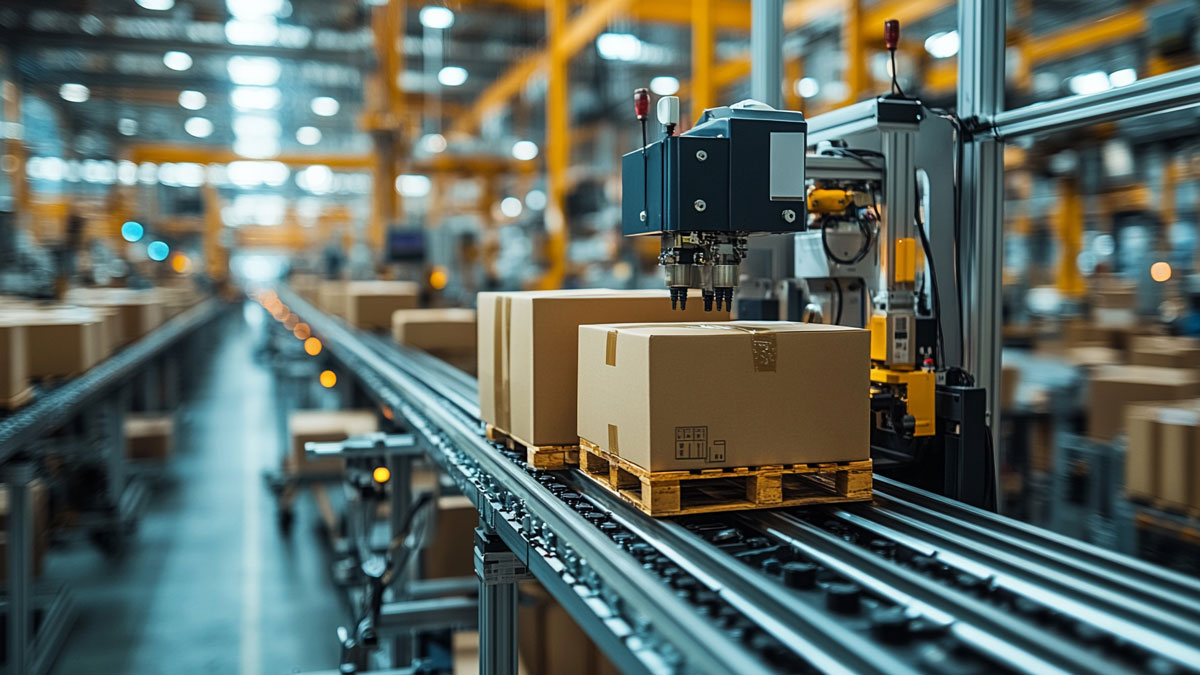
Cutting-edge packaging automation technology is a sustainability game-changer
Technology in the warehouse is entering a golden age of transformation, where cutting-edge robotics, computer vision and AI are all powering more advanced automation capabilities in response to the need for greater productivity. While this transformation occurs across the many interconnected parts of the warehouse, the advancements in packaging automation offer another critical benefit beyond...
-

Why loose produce could be key to reducing food waste in UK homes
Cut food waste and plastic pollution — an association urges a packaging ban on 21 fruits and vegetables, revealing the environmental and financial benefits of buying loose produce. If it is naked fruit and single veggies you want in the supermarket, the choice can be restrictive. So much fresh produce comes pre-packaged — only around...
-
Ending plastic pollution: a win for business, nature and our health
Dead albatross chicks with plastic in their guts. A whale full of fishing gear. Beaches and rivers are covered in plastic waste. Microplastics are detected everywhere, from human placentas to the Himalayas. People are clearly appalled by what they see and what they now know. Surveys have consistently revealed strong support for reducing plastic production...
-

Responsible business: why doing good means doing well
A truly responsible business stays ahead of the curve on the things that matter. Why should businesses demonstrate their commitment to responsibility? The business landscape is evolving, with a growing number of employers recognising the commercial imperative of building more responsible organisations, continuously looking for ways to make their organisations more responsible. From prioritising employee...
-
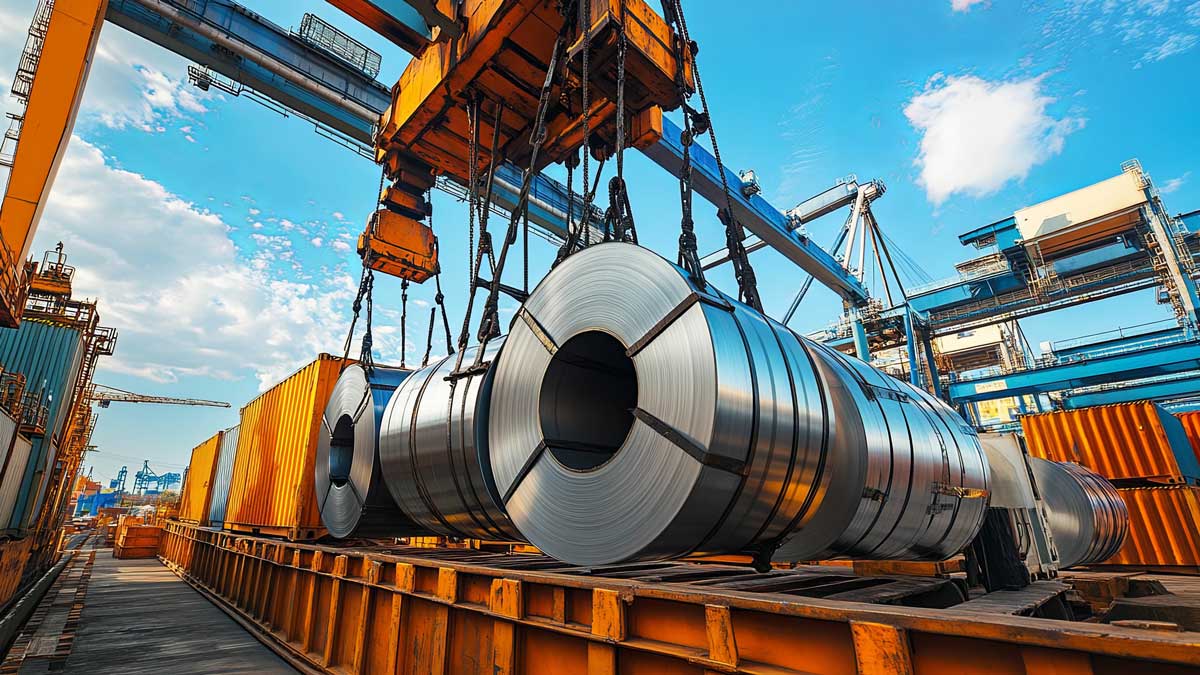
UK steel to get cleaner and fairer under new strategy
The nation’s Steel Strategy aims to retain and build the sector while aligning with decarbonisation goals, ensuring that environmental progress does not equate to industrial decline or job losses. Central to the Steel Strategy is hydrogen, which could replace internationally reliant fossil fuels in the blast furnaces and secure our domestic production capabilities of virgin...
-

Why valuing your workforce must be part of sustainability
Despite broader ESG awareness, businesses often equate sustainability solely with the environment, sidelining social factors that are equally vital to responsible corporate behaviour. Our impact on the planet is so much more measurable, and it enables businesses to work with the plethora of specialist organisations out there to calculate benchmarks, set targets and measure improvements....
-
ESG under fire: why we need to empower action, not audits
With increasing global uncertainty, now is the time to embed sustainability into business strategy — for resilience, growth and real-world results. As the world faces economic uncertainty, political backtracking and growing scepticism around sustainability commitments, the once-celebrated era of environmental, social and governance (ESG) reporting is being questioned. In some quarters, it’s being pronounced dead...
-

A business guide to a true circular economy transition
A circular economy — where products and materials are kept in circulation — is the foundation of sustainable business, but how can organisations embed circularity into their supply chains? To achieve a truly circular economy, businesses must transition from linear ‘take, make, dispose’ models to circular supply chains, but there is a gap between understanding...