 Business & Industry
Sustainable Investing 2021
-

The private sector is essential to beat the climate crisis
In the wake of COP26, we have our clearest sense yet of the urgent action needed to meaningfully address the climate crisis. Despite the commitments we saw at COP26, we are still not on track to stay below the 1.5˚C threshold. That is not to say there was not progress from the conference. For example,...
-
s Sponsored
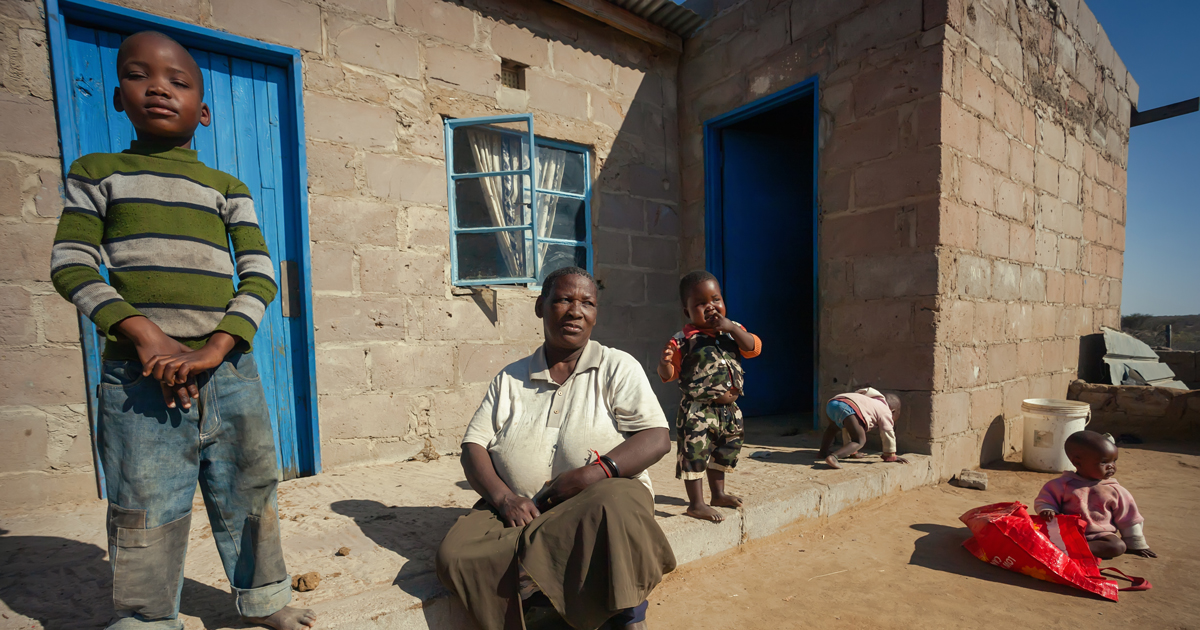
We cannot win the climate fight if we don’t stand up for the poor
The impact of the climate crisis on people’s lives is indisputable. It is also terribly unfair: those who are most affected contribute the least to causing it. If unchecked, the climate crisis will push up to 130 million people into poverty over the next 10 years, unravelling hard-won development gains. In meeting the global challenge...
-

s Sponsored
How impact investing can help drive positive change for the world
Impact investing is becoming increasingly popular. It could play a part in helping the world meet the UN Sustainable Development Goals — while aiming to deliver good financial returns. Impact investing used to be something of a niche financial activity, but it’s become increasingly popular in recent years, notes Ben Constable-Maxwell, Head of Sustainable and...
-

s Sponsored
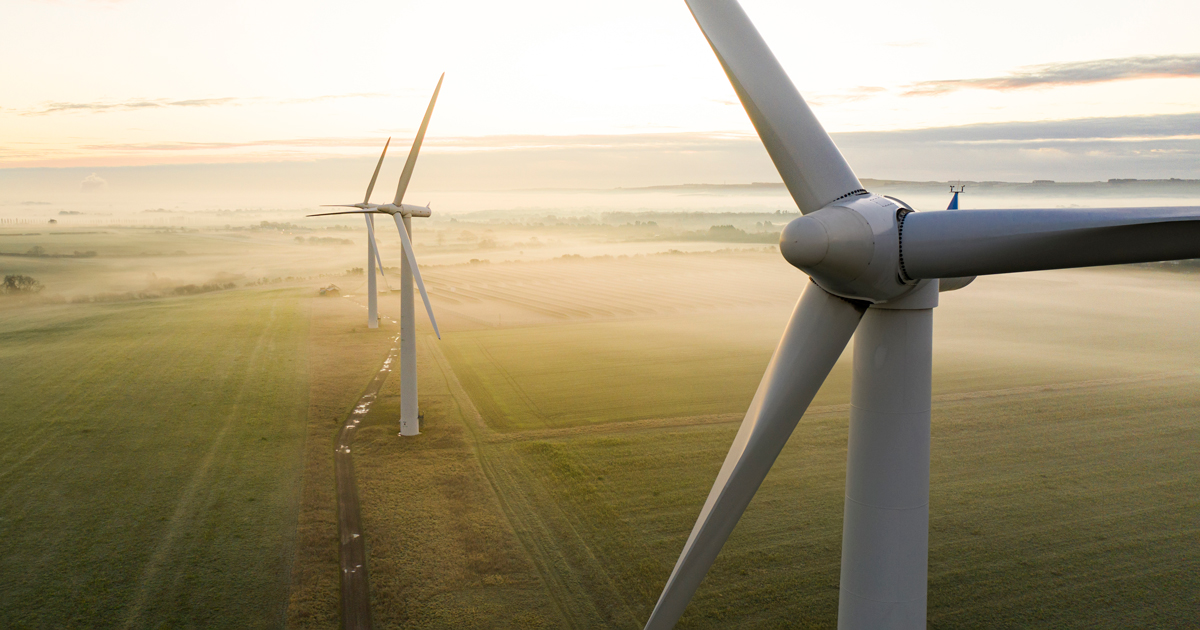
Why sustainable investing offers long-term growth opportunities
Most people want to do the right thing for the planet, but when it comes to sustainable investing there is still a battle to be won to change perception. As Europe transitions to a low carbon economy, retail investors need to know they can embrace sustainable investing without increasing their costs or sacrificing returns. This...
-
s Sponsored
Transforming infrastructure for a better tomorrow
Sustainability is increasingly mission critical for investors- how does this translate into action? COP26 was an important milestone, in a way that previous conferences did not quite manage. It highlighted the need for urgent action from businesses on the climate crisis, particularly when it comes to energy transition. Of course, this entails costs and so...
-
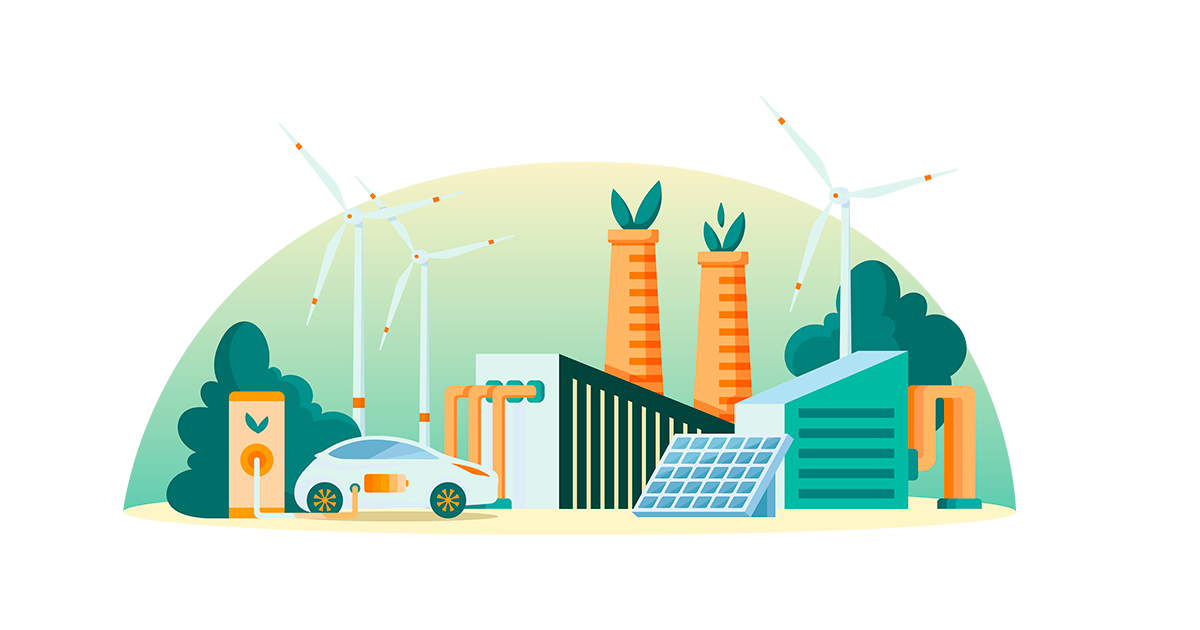
Why Europe’s ‘climate moon-shot’ needs the private sector as co-pilot
The European Central Bank (ECB) reported that failing to address the climate crisis could reduce Europe’s GDP by 10%, and that the likelihood of default for climate-vulnerable portfolios could increase 30% by 2050. The European Union is facing an important test. A few months after the launch of the Fit for 55 package – a set of policies to...
-
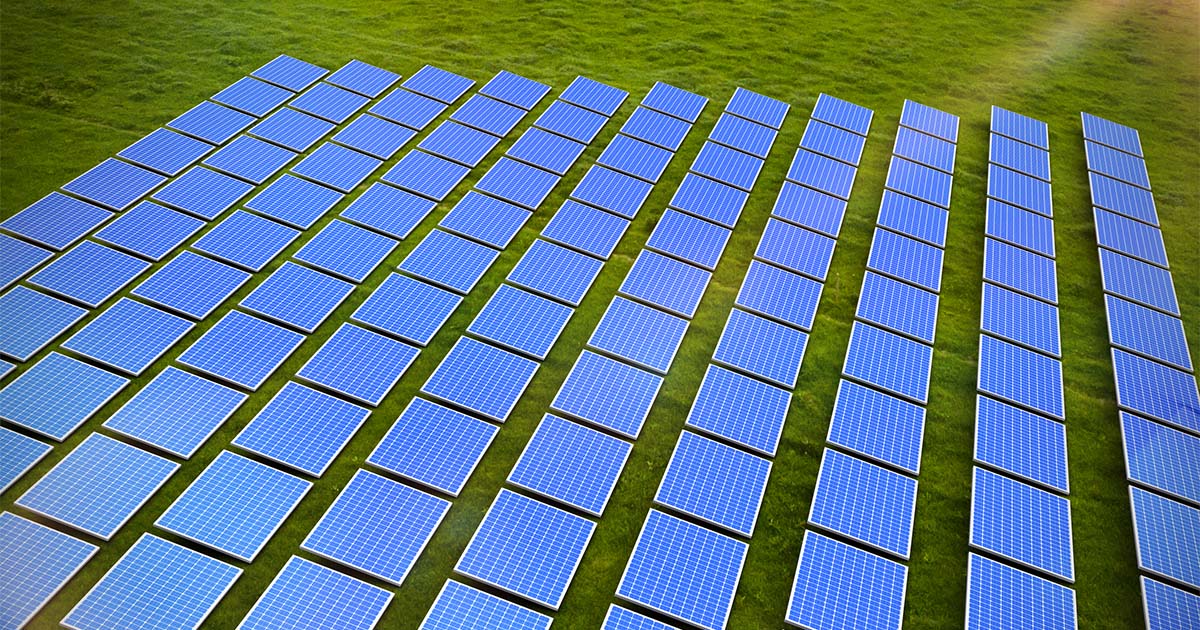
Putting regeneration at the centre – going beyond net zero commitments
As COP26 delegates begin to return home to make good on their promises, it is important to take a moment and reflect on the commitments made during those two weeks in Glasgow. One commitment made is to reach “net zero” by 2050—the point where the amount of greenhouse gases produced is balanced out by the...
-

SMEs need sustainable finance to reach net zero
Small and medium-sized enterprises (SMEs) are important drivers of green innovation, but also leave a significant environmental footprint. On the heels of COP26, we need to develop better solutions to finance their green transition. In Europe, SMEs account for just over 50% of GDP but are responsible for 60-70% of industrial pollution.1 They face many...
-
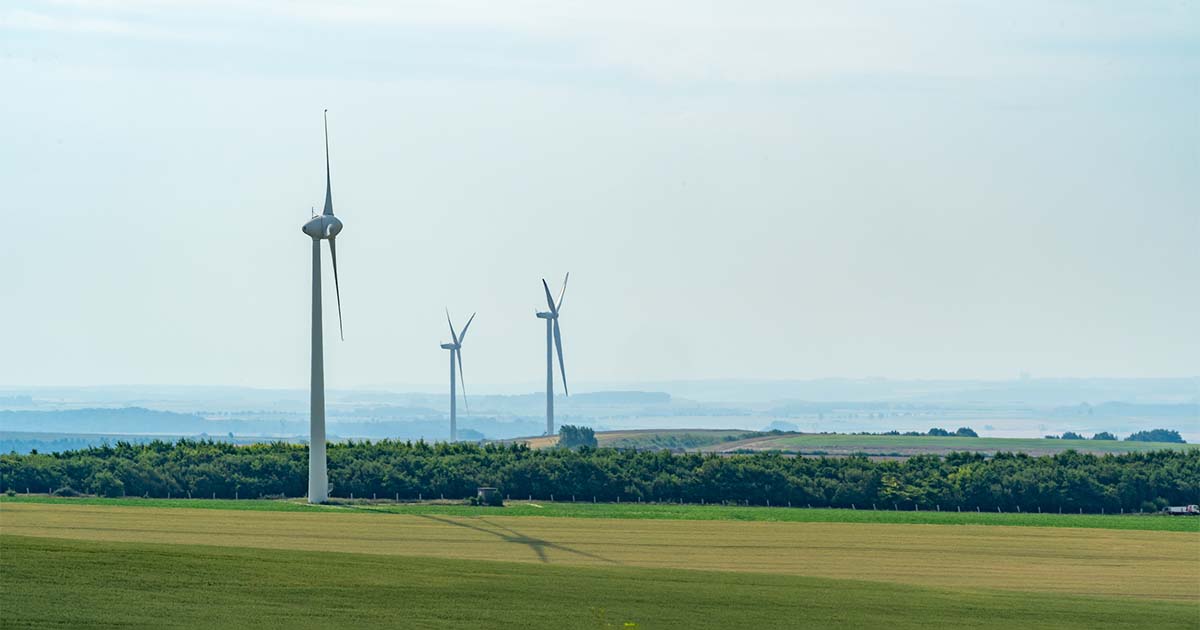
What does a net zero financial services industry look like?
The net zero pledges announced at COP26 by countries and businesses mean that 90% of the world’s economy is covered according to the UK’s Prime Minister, triple the figure from when the UK was announced as COP President. While net zero commitments stand as one of COP’s key successes, the lack of clarity of whether they will...
-

Net zero commitments must have a strong social component
In the wake of COP26, as we work towards a net zero economy industries will be altered and so we must ensure we do not leave workers in affected areas behind. In the investment community, we spend a lot of time discussing stranded assets, such as the coal that will be left in the ground...