 Business & Industry
Digital Health Q1 2022
-

Putting patients at the heart of tech innovation
Collaboration with patients is the only way innovation in healthcare technologies can make a substantial impact to the patient pathway and healthcare systems. Digital health technology has been seen to provide better access to information and care, increase patients’ ability to access care and provide more opportunities for greater control of their health and shared...
-

s Sponsored
Patients are embracing tech for better care
Healthcare providers are turning to technology to support patients through the complex surgery pathway more effectively. When it comes to surgery, the healthcare pathway is complex. The latest health apps guide patients at every step of their journey while giving healthcare professionals the information they need to support them. Alex Gilbert from healthtech company Huma...
-

s Sponsored
How knee surgery is being transformed by robotic-assisted technology
Robotic-assisted technology is enabling surgeons conducting knee replacements to work with greater accuracy than traditional surgery1,2,3 and facilitates a rapid recovery.4,5,6 More than 100,000 knee replacements are completed in England and Wales every year and an increasing number are done so with the help of robotic technology. “This is not about more surgery with less...
-
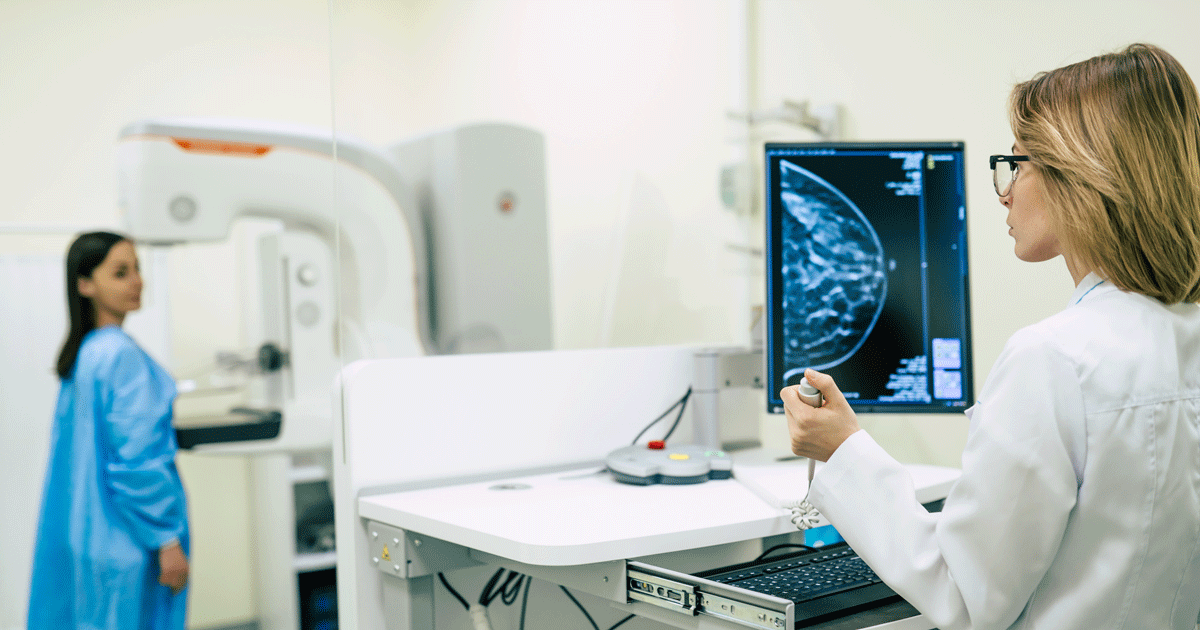
How AI innovations are improving clinical pathways for cancer diagnosis
It’s estimated that 50% of people will experience cancer at some point in their lives. New AI technology could play a pivotal role in identifying at risk patients early on and improving cancer diagnosis. Earlier diagnosis is linked to better outcomes and the NHS has set out an ambitious priority for 75% of patients with...
-

AI training is needed to support digital transformation within the NHS
Training and collaboration are needed to ensure healthcare professionals are equipped to keep up with innovations in artificial intelligence (AI). The COVID-19 pandemic resulted in unprecedented demands on health services with widespread alterations to the way healthcare was delivered, creating backlogs at never before seen levels. Limited AI understanding However, the pandemic has also driven...
-

How new technology is helping to improve management of diabetes care
Hi-tech solutions are helping the NHS work closely with patients to deliver more efficient and effective care for diabetes. New devices can collect data from patients self-managing their condition, with artificial intelligence (AI) algorithms analysing the gathered information to give clinicians a more precise overview of their patients living with diabetes. Combining face-to-face and virtual...
-

s Sponsored
Fast, accurate, safe and autonomous clinical diagnosis is provided by AI technology
Artificial intelligence innovations are being introduced to help the NHS tackle a massive – and growing – elective care backlog resulting from the COVID-19 pandemic. More than six million people are now on hospital waiting lists for planned treatments, while the NHS faces chronic staff shortages and too few radiologists. Artificial intelligence One area where...
-

s Sponsored
The field-based video tech solution that could revolutionise healthcare
The use of secure video technology in the field gives NHS front line staff instant, virtual access to clinical specialists. This can reduce admissions to hospitals and improve outcomes for patients. During the pandemic, many of us became used to using video conferencing technology on a regular basis. In lockdown, talking to people via our...
-
s Sponsored
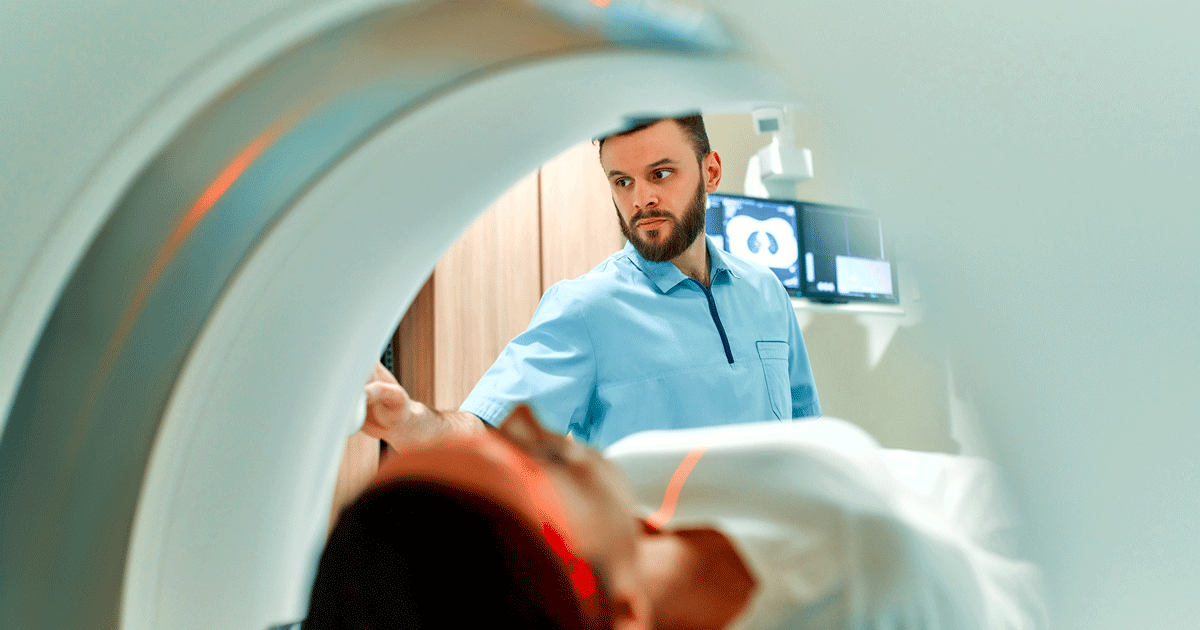
How advanced simulators help to support hospital MRI training
MRI simulators are helping radiographers and technologists gain the skills they need to acquire high-level clinical images to support patient diagnosis and treatment. Magnetic resonance imaging (MRI) scanners are a mainstay of modern medical care. They are a critical part of the diagnosis and treatment process by providing images that enable doctors to better assess...
-

How digital innovation is freeing up precious time for NHS staff
From repetitive yet vital backroom work to helping surgeons hone their skills, robotics are assisting NHS staff across England. Each year, 10 million patients undergo surgery in the UK. Improving the results of operations is key to ensuring effective patient recovery as well as the best productivity levels for highly skilled staff. XR gives surgeons...