Business & Industry

Stuart Rennie
Managing Director at ENGIE – Renewable Gases UK
Biomethane is a proven, renewable gas that can help cut emissions today, using existing infrastructure while turning organic waste into useful energy.
Biomethane deserves more attention than it gets, insists Stuart Rennie, Managing Director for Renewable Gases UK at global energy group ENGIE. As a renewable gas, it’s a vital and growing part of the UK’s green energy mix – and a practical solution available today.
Turning waste into energy
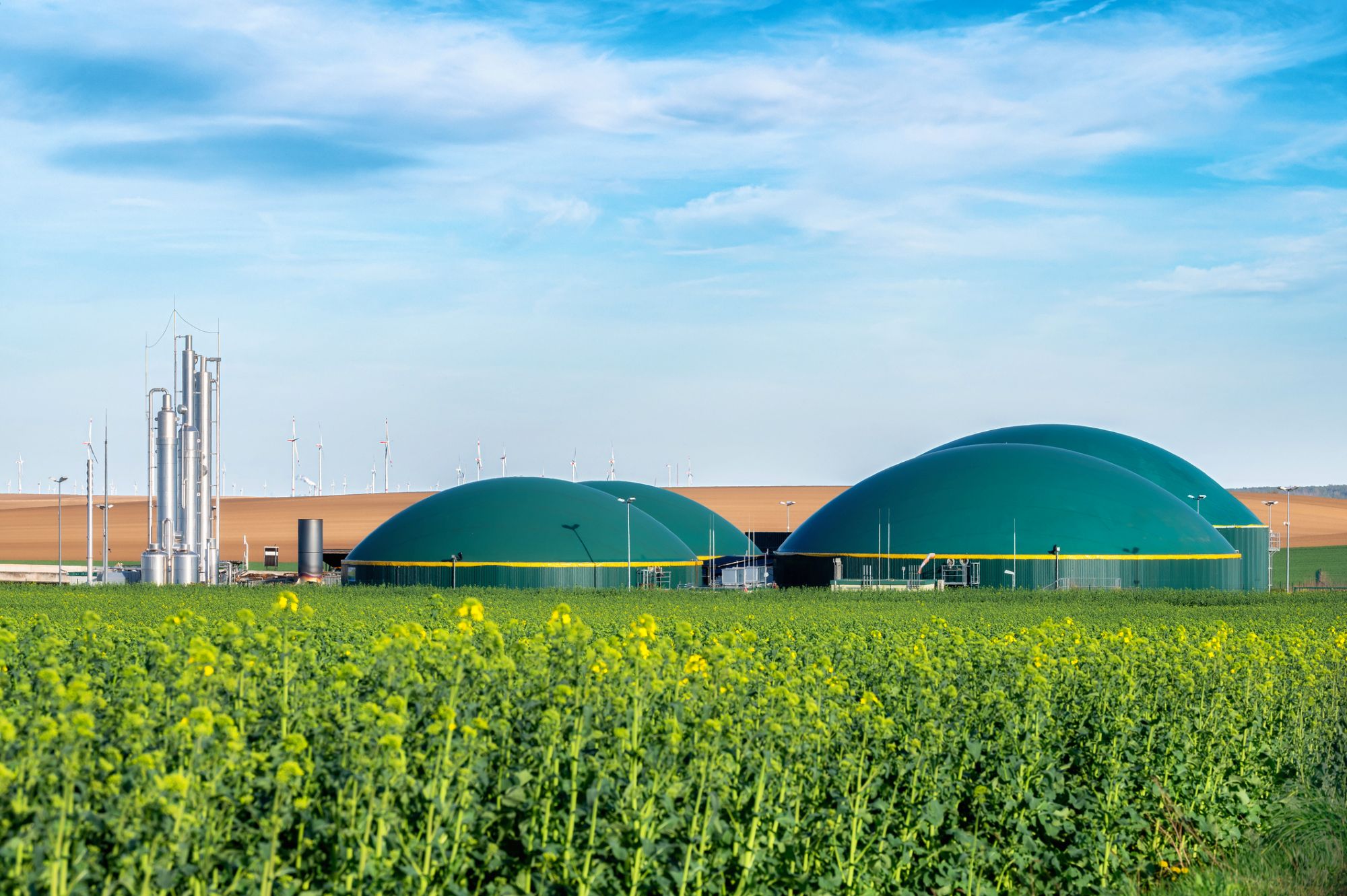
Biomethane is a renewable, low-carbon gas produced from organic waste and residues, relying on available and reliable technology.
Chemically identical to the methane used in today’s gas system, it can be transported through existing gas networks and used in current industrial and domestic installations, helping homes and businesses to reduce their carbon emissions, particularly for sectors that are difficult to electrify.
It can do so without replacing existing gas networks and equipment, offering a practical route to decarbonisation with less disruption and upfront investment than some alternatives.
With the right support,
biomethane can play a much bigger role in the UK’s energy transition
It also turns organic waste from agriculture, food production and other waste streams into useful renewable energy through anaerobic digestion.
“Biomethane takes something we already have – organic waste – and turns it into renewable energy,” says Rennie. “It’s a great example of the circular economy in action.”
The benefits continue after the gas is produced. A byproduct of the process is digestate, an organic fertiliser that can be returned to farmland, helping put valuable nutrients back into the soil.
A practical choice for business
For businesses that rely on gas for heating or industrial processes, biomethane offers a way to reduce emissions while continuing to use familiar infrastructure. It can be injected directly into the existing gas network, making it a readily deployable solution for organisations looking to make progress on decarbonisation today.
ENGIE currently operates four anaerobic digestion plants in the UK and injects more than 210 gigawatt-hours (GWh) of biomethane into the gas network annually.
Growing with customers
Customer partnerships are already helping to demonstrate what biomethane can deliver. ENGIE has signed a 10-year biomethane purchase agreement with PepsiCo UK to support the development of a new anaerobic digestion plant in Yorkshire, expected to become operational in summer 2027.
Partnerships like this show how long-term customer demand can unlock investment in new biomethane capacity, while providing businesses with a practical route to reduce emissions.
“With the right support, biomethane can play a much bigger role in the UK’s energy transition.”