
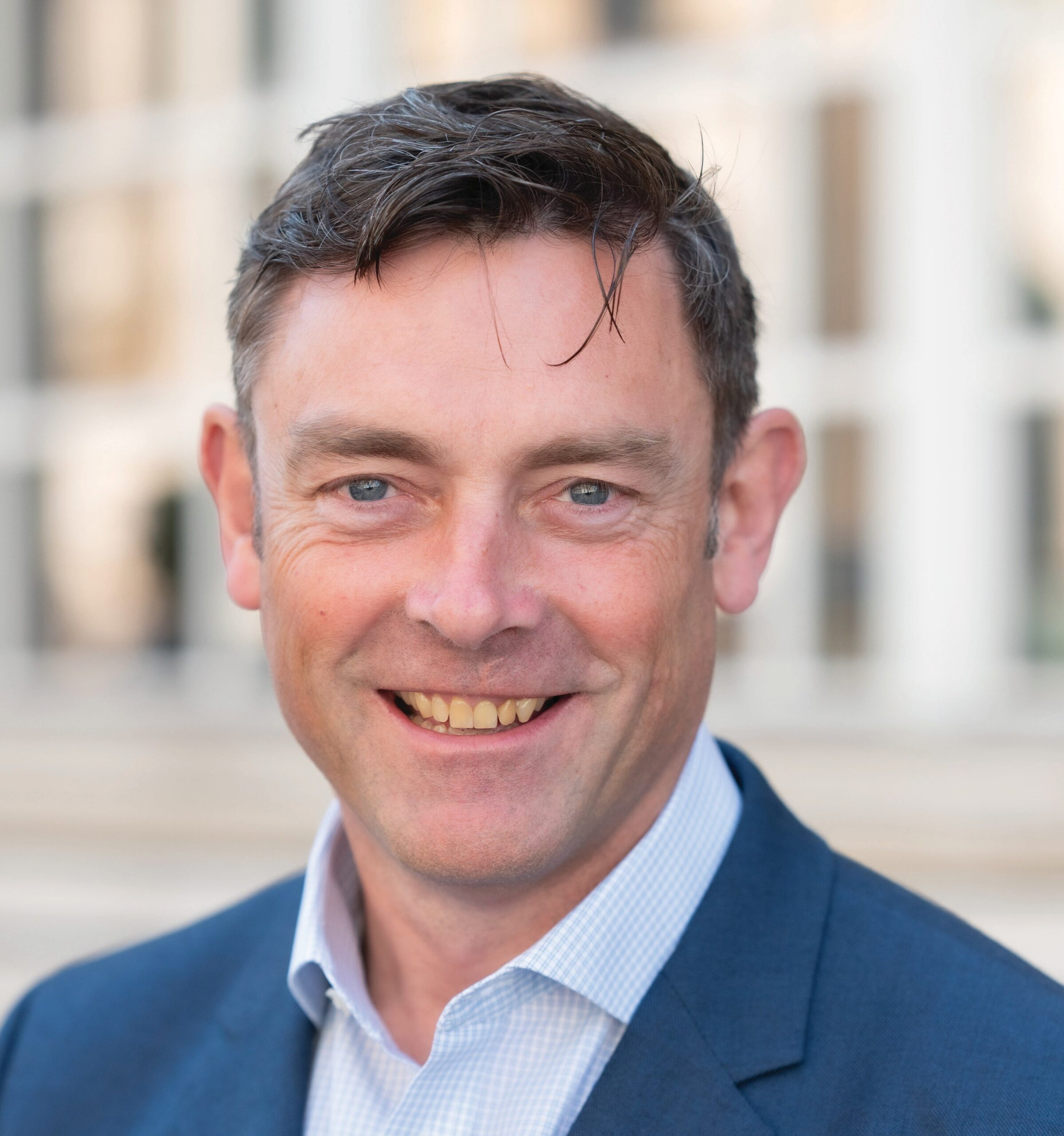
Julian Best
Executive Property Director, The Howard de Walden Estate
A long-term vision can ensure London remains a leading global city, with dynamic neighbourhoods that balance economic growth with real community value.
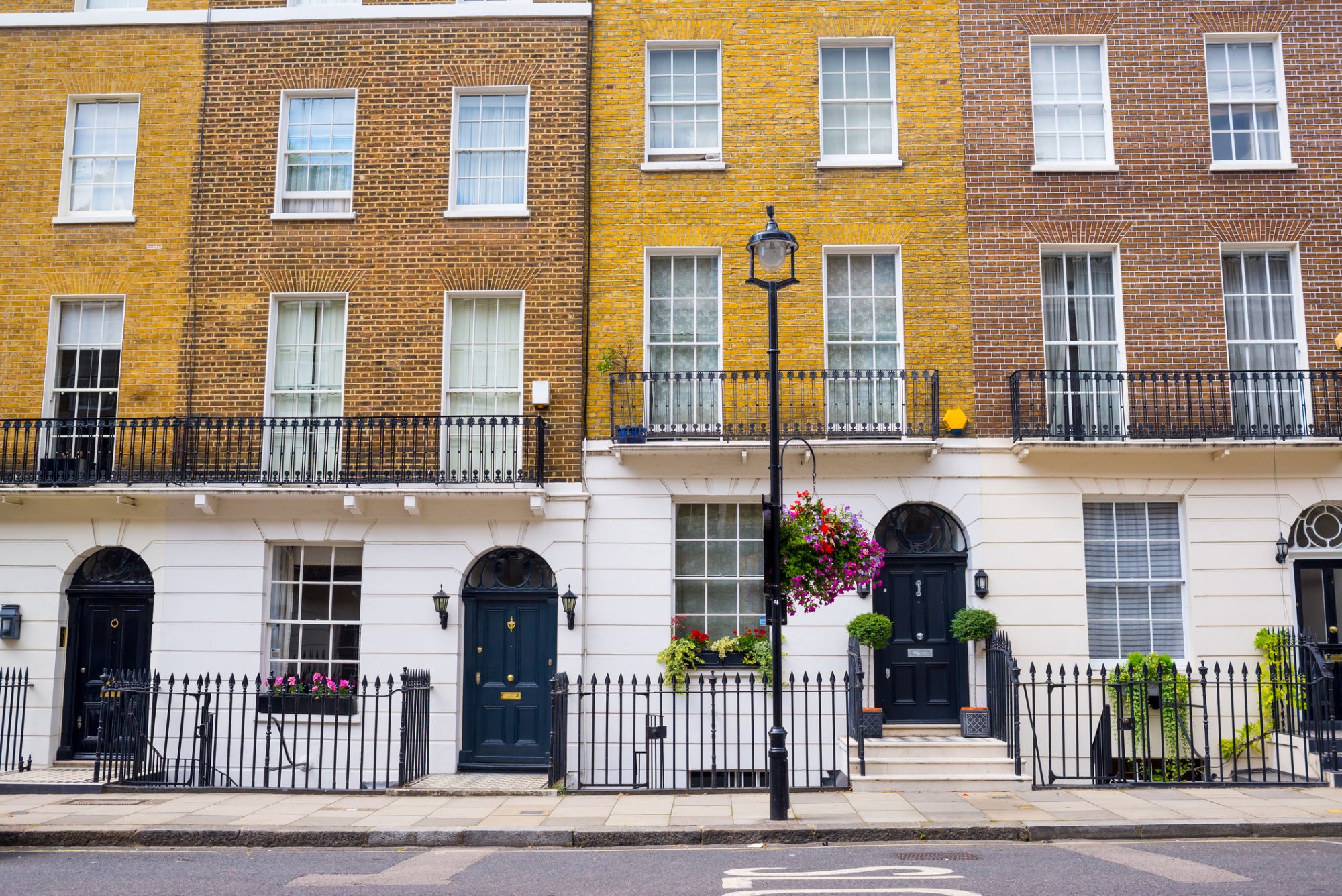
When Julian Best walks out of his office, his work is all around him. Best is Executive Property Director of The Howard de Walden Estate, which owns, manages and leases approximately 95 acres of Marylebone in central London, a highly desirable district running from Marylebone Road in the north to Wigmore Street in the south. Its portfolio of around 850 properties (roughly a third of which are listed) includes the Harley Street Health District and Marylebone Village, a vibrant residential area featuring a range of boutiques and restaurants.
Best says the secret of the Estate’s success is its lack of complacency and insightful decision-making. Also, it doesn’t just plan for now. It keeps an eye on the horizon. “We make long-term decisions to encourage development and investment that ultimately benefit future generations,” he says.
Keeping London competitive and attractive
On a bigger scale, Best believes a far-sighted approach will help London remain a leading global city. “For example, the Elizabeth Line was born out of decisions made more than 30 years ago and has changed commuting patterns,” he says. “We need that sort of long-term, consistent vision to make sure London is competitive and attractive well into the future. While it’s a great place already with fantastic education, innovation, research and infrastructure, it still needs to invest more in digital technology and ensure that its buildings, services and utilities are fit for purpose and resilient.”
High-quality placemaking to attract businesses, residents, visitors and investment must be made easier, too. “Developers have all sorts of challenges to deal with including financial feasibility, development risk and planning,” says Best. “With the new leadership at Westminster, I think there’s now a genuine recognition that the planning system needs to be unjammed. We need less regulation and bolder decisions from central government and councils — and long-term vision, too.” Best also suggests leaving development to the developers: “They know what works. They know what occupiers want.”
We make long-term decisions to encourage development
and investment that ultimately benefit future generations
Innovation is increasingly central to that vision, too. The Harley Street Health District, for instance, has grown well beyond its traditional footprint: private patient income from NHS trusts such as the Royal Marsden is reinvested directly into research, and clinical trials for innovative and fantastic treatments are now under way in buildings the Estate owns. Best also points to the corridor between King’s Cross and Paddington as a rare concentration of education, innovation and landownership that could rival any similar cluster internationally — provided that stakeholders, including the Mayor and neighbouring boroughs, can collaborate closely to promote it as a single, joined-up destination.
Creating and maintaining a sense of community
When London neighbourhoods attract investment, talent and innovation, they become real communities — which attracts further investment, talent and innovation. It becomes a virtuous circle. “What makes Marylebone special is that people actually live here,” says Best. “We have schools and fantastic facilities, and it’s all within walking distance. Part of our long-term commitment is to ensure that it’s a place where people continue to want to spend time.”
