 Business & Industry
Life sciences
-
s Sponsored
Partnerships are crucial to help get advanced treatments to market
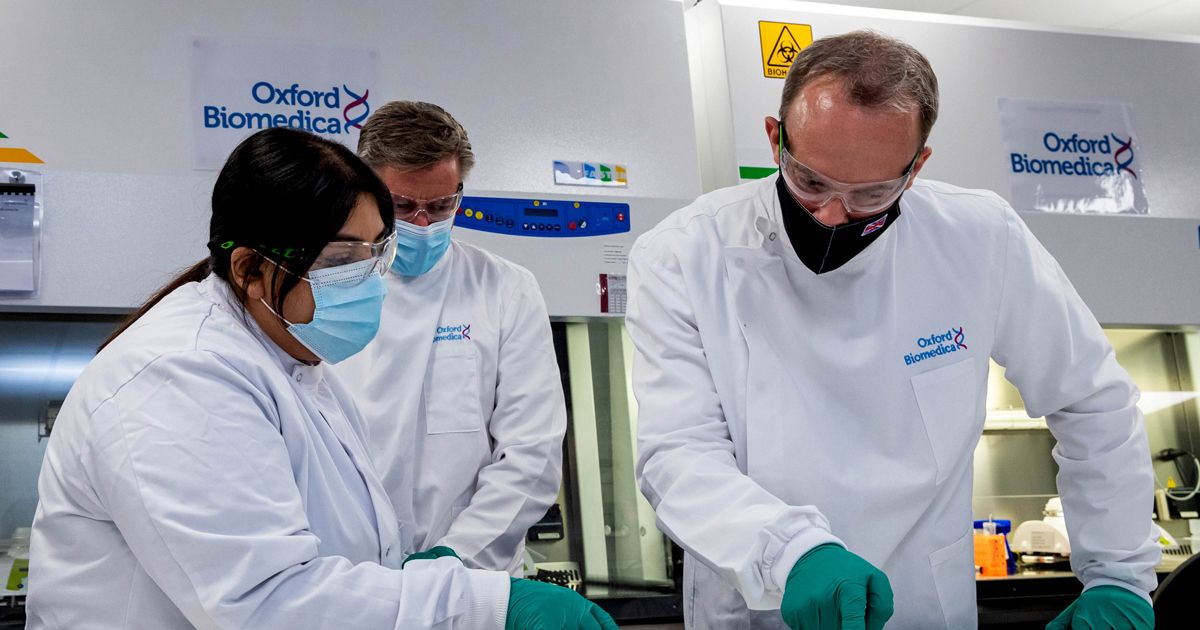
New treatments and approaches for tackling serious diseases are being developed using cell and gene therapy. Cell and gene therapy is adding a new dimension to the way serious diseases are being tackled in modern healthcare. But these advanced treatments require complex research, development and manufacturing processes. While the two are related, and to a...
-

Boosting the health and wealth of the nation
The pandemic has shown us the value of a strong life sciences sector, and demonstrated what is possible when Government, industry, academia and the NHS work together to overcome major health challenges. Governments across the globe are rapidly mobilising plans to enhance their life sciences offer, seeking to attract major industrial investment and top scientific talent. If...
-

Finding the right support network for your business is the key to long term success
Starting any new enterprise is exciting and rewarding, but also a time of great challenge especially in a sector as complex as life sciences. Whilst company leaders often focus on technology – people and market opportunity are often the more critical factors affecting the potential for success. Important ‘people’ factors, include finding a team which...
-

AI will boost healthcare and life sciences
AI has the power to transform the country’s diagnostic infrastructure and drastically increase the health and care system’s efficiency – improving the quality and speed of care – as well as fostering a vibrant life sciences ecosystem. The benefits that artificial intelligence (AI) promises to bring to health and social care are starting to show...
-

s Sponsored
Providing additional support in the drug development pathway
Support companies with broad expertise are playing an important role in helping smaller firms successfully develop innovative new drugs and treatments for patients. Developing new treatments and therapies can be a long and complex process. From concept through to therapy development, clinical trials, navigating regulatory hurdles, manufacture and marketing, all stages require extensive expertise. While...
-
Collaboration was key in the UK’s response to the COVID-19 pandemic
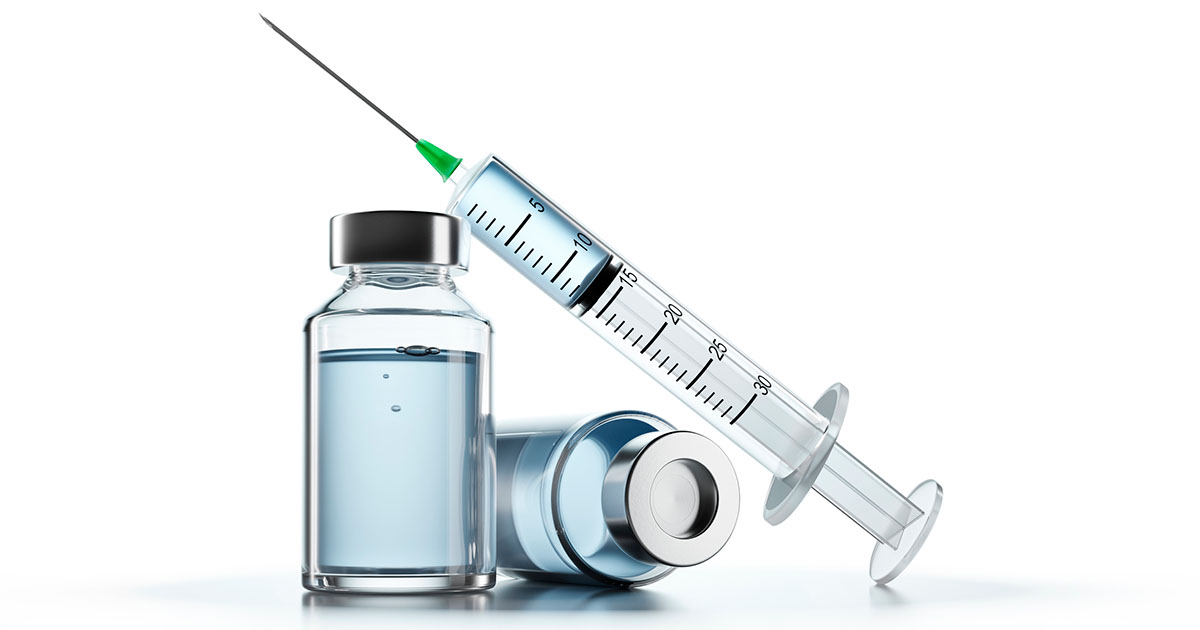
Industry, academia and government collaboration was critical to the UK’s success in procuring, developing, manufacturing and scaling up COVID-19 vaccines. This tripartite relationship began in February 2020, nearly four months prior to Dame Kate Bingham’s appointment as chair of the UK Vaccine Taskforce (VTF) and before the agreement between AstraZeneca and Oxford University. This early...
-

Attracting and retaining the best talent in life sciences
COVID-19 has highlighted the strengths and value of our life sciences sector to government and society as a whole. But what will attract the talent needed for future success? It is predicted that 133,000 new jobs will be created in the sector by 2030 across multiple disciplines within life sciences.1 Whilst the pandemic has shown...
-

UK science at forefront of COVID-19 discoveries
The discovery of vaccines, diagnostics and technologies to tackle the pandemic has proven the value of the UK’s life sciences sector on a global stage. The COVID-19 crisis has had a huge impact on people’s lives, but with high vaccination levels, regular testing and new technologies making remote healthcare possible, we’ve rapidly adapted to this...
-

How the UK can be an investment hub for life sciences
Leaving the European Union has created a need for health technology regulatory change and an opportunity to stimulate innovation and technology uptake for the benefit of UK patients. Indeed, these precepts are enshrined in the Medicines and Medical Devices Act, which requires a regulatory environment that is favourable to research, manufacture and provide access to...
-

Cell and gene therapies – the road to personalised care
Health innovation is accelerating at an unprecedented pace. New treatments, such as cell and gene therapies, have the potential to transform the management of diseases that are currently incurable. Cell and gene therapies use the body’s own cells or genes to target the cause of disease. Diseased cells from the patient are modified in a...