 Business & Industry
Life sciences
-

Artificial intelligence: investing in new technologies in healthcare
What if machine learning and artificial intelligence could learn to detect one of the most common forms of blood cancer, through evaluating data based on the gene activity of blood cells1? The biopharmaceutical industry has a long history of handling scientific and patient data and has done so for decades. However, the digitalisation of our society and healthcare...
-

Embracing the exciting future of the life sciences industry
Collaboration plays a vital role within the life sciences industry. By bringing together leaders from across the sector including industry, academia, government and regulators we can provide unique opportunities to identify industry challenges to find strategies and solutions. Dr Martino Picardo, Chairman of Discovery Park, shares his predictions for the future of life sciences. How are...
-

It’s time for action on sex bias in clinical trials
Women are less likely to be included in clinical trials but what can be done about it? Now it’s time to take action. A woman was working in preclinical safety on a new drug, which looked very safe. At the time, first time in human (FTIH) clinical trials could include employees, so she and a...
-

s Sponsored
Helping put patients first in post-pandemic clinical trials
Innovative technology and lessons learned from the COVID-19 pandemic can be used to steer the future of clinical research and bolster patient participation. Much has been written about post-pandemic recovery and returning to normal but many of the disruptions experienced across the clinical research sector, notably the delay or cancellation of in-person trials, have offered...
-

s Sponsored
Making a difference with disruptive organ-on-a-chip technology
Globally, top pharma companies are exploring the potential of organ-on-a-chip (OOC) technology to provide major improvements in the accuracy and efficiency of medicine discovery. Billions are invested into drug discovery annually, yet most drugs never reach the market. Why? Because experiments fail to predict human effects. Experts suggest that bridging this gap with OOC technology...
-
s Sponsored
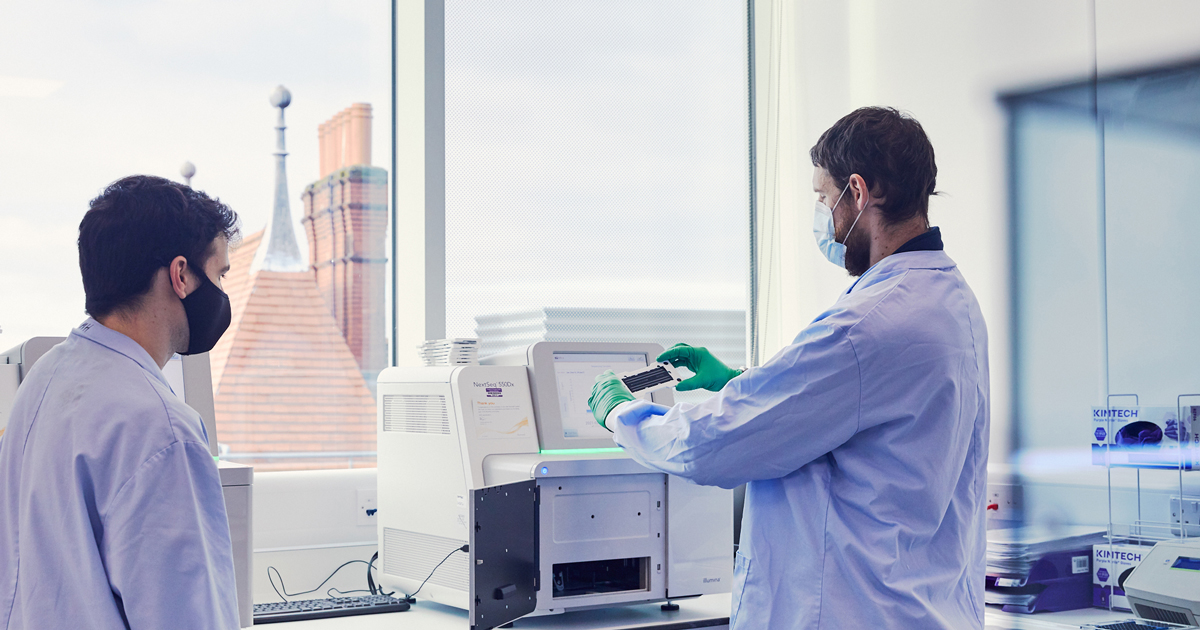
Supporting the convergence of tech and life sciences
Technology has the potential to transform life sciences – but only if we develop and nurture links between medicine, academia and business. As the life sciences and technology sectors continue to converge, greater cross-sector collaboration is the key to realising the potential of the medtech revolution. That’s according to Dr Kath Mackay, director of life...
-

s Sponsored
Better outcomes start with improved newborn screening
As innovation in new therapeutics accelerates, newborn screening programmes need to be adapted to help ensure those who would benefit from emerging treatments can access them. While most nations agree on the overall merits of newborn screening for inherited disorders, there’s significant inequality in what they test for. Sweden tests for 24 diseases; England, Scotland,...
-

s Sponsored
The impact of Brexit on the movement of medicines
The UK’s departure from the European Union is having significant implications for the pharmaceutical industry. Charley Maxwell, Senior Consultant at PharmaLex explains more about the impact of Brexit and hurdles facing pharmaceutical companies. Prior to Brexit, the EU including the UK, was one single trading block. However, shipment of medicines from Britain to the EU...
-
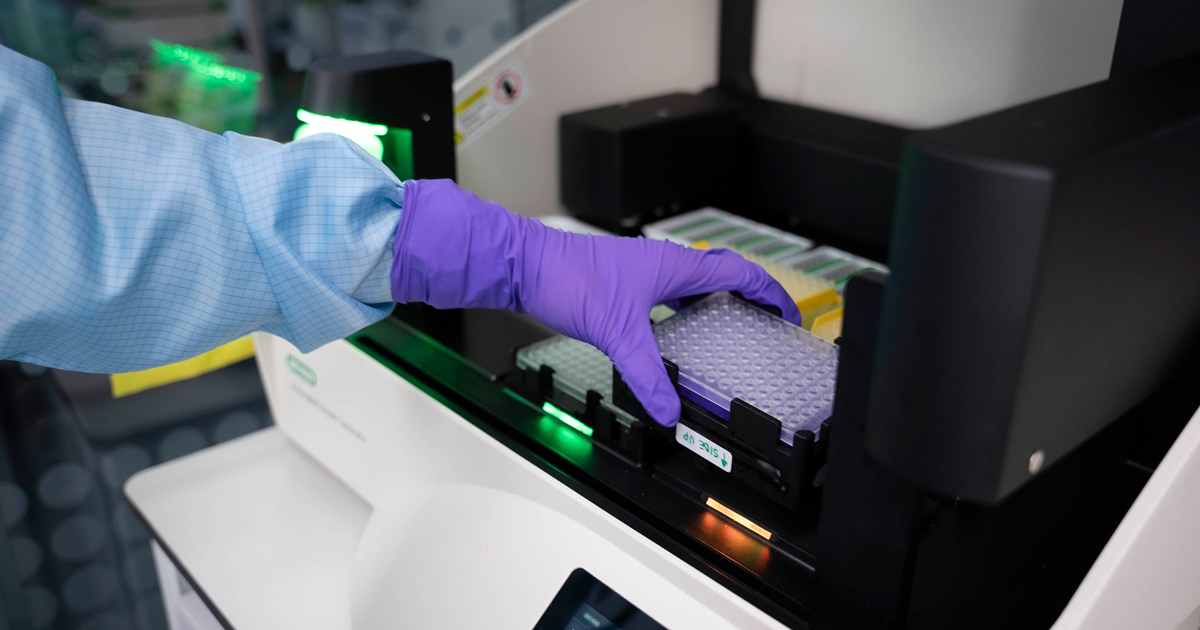
Establishing the UK as a cell and gene therapy powerhouse
Action needs to be taken on skills, investment and infrastructure if we are to sustain advances made in the UK cell and gene therapy sector. The UK is an emerging powerhouse in cell and gene therapy for innovative healthcare solutions, yet there remain challenges in skills, infrastructure and investment within the sector. In the last decade, cell and...
-

s Sponsored
Unleashing the UK’s potential of data-enabled clinical trials
Data-enabled clinical trials proved their worth during the COVID-19 pandemic and offer a genuine opportunity to transform clinical research. Many scientists and researchers are pushing for the UK to realise the potential of data-enabled trials and electronic health records (EHRs) to accelerate clinical research progress. Professor Martin Gibson, clinical director of the National Institute for Health Research (NIHR) network for Greater Manchester...