 Business & Industry
Artificial Intelligence
-
s Sponsored
How automating research accelerates drug discovery
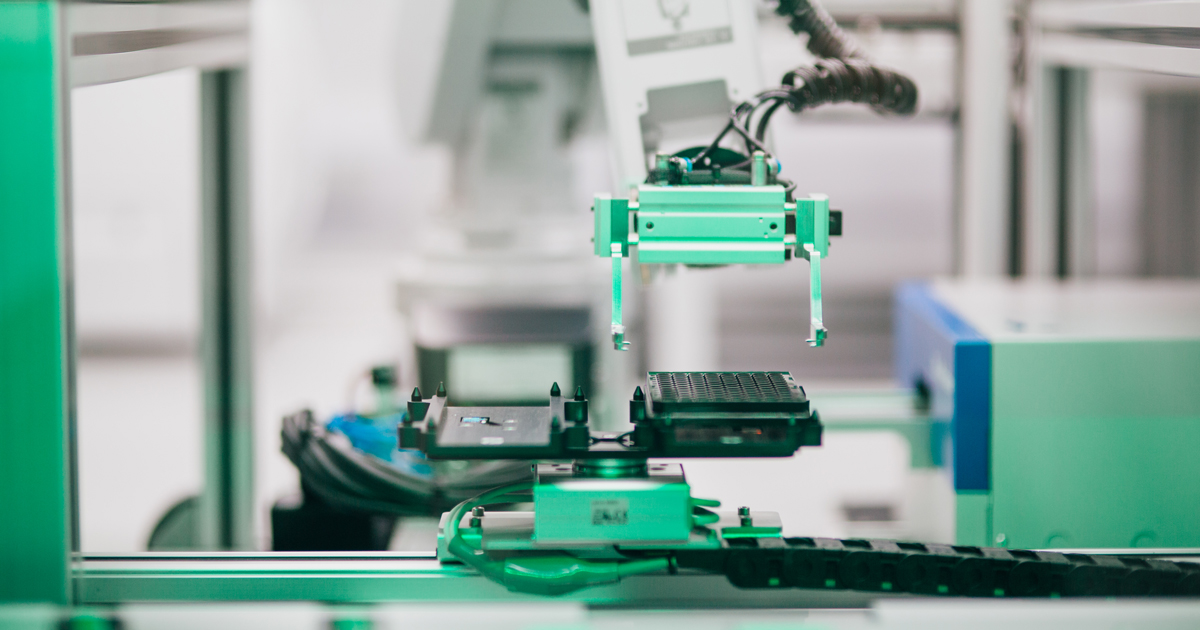
Drug discovery starts in the lab, yet is slow and error prone. Combining robotics and artificial intelligence (AI) is the key to enable faster progress and bring new drugs to patients sooner. All industries have been transformed by the introduction of electronics, computers, automation, machine-to-machine communication and the cloud. However, there is one area that...
-

New AI technology for advanced heart attack prediction
Technology developed using artificial intelligence (AI) can identify people at high risk of a fatal heart attack at least five years before it strikes. When someone goes to hospital with chest pain, a standard component of care is to have a coronary CT angiogram (CCTA). This is a scan of the coronary arteries to check for any...
-

AI initiatives: time for positive results
Brands that made investments in AI before the pandemic are reaping the benefits of those decisions, and most will not slow their adoption because of the COVID-19 crisis. Despite the pandemic, 71% of businesses now say they are confident that their AI initiatives will deliver positive results in the next two years, according to a study...
-

Increase productivity using AI in manufacturing
As advanced manufacturing and engineering continues to develop, Artificial intelligence (AI), now plays a key role in the development of the sector. It is easy to assume that when you hear about artificial intelligence (AI), that it is nothing to do with you, but rather is something from a Sci-fi movie or for some big tech...
-

How we can shape healthcare with AI
Healthcare was once considered a slow adopter of digital technologies, but a new wave of investment and advances in AI is set to change that perception. AI is assuming a more central role in countless aspects of business and society, but healthcare is an area of contradictions when it comes to AI implementation. While other sectors...
-

It’s now time to regulate facial recognition
Bans on facial recognition may not be the right approach to effectively mitigate the risks of an already ubiquitous technology. A risk-based approach could be the answer. Facial Recognition Technology (FRT) has come under increasing scrutiny for potentially undermining our privacy, misidentifying people, perpetuating systemic racism, and contributing to surveillance infrastructure. So far, the response from policymakers has predominantly focused on banning the use of...